The Sesquicentennial International Exposition is considered to be one of the first festivals ever held in Philadelphia. The event was dedicated to the 150th anniversary of the Declaration of Independence. There was a lot of controversy and disagreement about what it should be and whether it was needed at all. However, local enthusiasts still achieved their goal. Read more about the history of the fair: who helped to organize the festival, interesting facts and what it was memorable for – at philadelphiaski.com.
Background and the festival itself
The idea of holding a fair in honor of the signing of the Declaration of Independence and the proclamation of a new country was born long before the festival started. There were talks about it in the nineteenth century, but the outbreak of the First World War ruined all plans. John Wanamaker never became the founder of this event. The man was the only one who signed the aforementioned document and survived. John made arrangements with local elites to host an event in the “city of love” that would welcome guests from other cities and countries.
When the world was mired in the largest war in the history of mankind, civilizations faced the most powerful challenges of the time. However, despite the war, the United States continued to enjoy life, in addition to fighting a desperate and worthy fight. One day, Mayor John Hampton Moore and representatives of the elite decided to hold an international festival in 1926. However, before this event, they had to realize what the festival should be like and, most importantly, what goal they were pursuing.
There were many differences in vision among the founders. The main discussions centered around the goals of the festival: to make money or to glorify the hometown. Officials under the supervision of Alba Johnson liked the first option best. But Edward Bock, editor-in-chief of a Philadelphia magazine and husband of a local tycoon’s daughter, had a different opinion.
Edward sought to use the festival to develop the industrial town, emphasizing the role of the “city of love” in the history of the United States. At the same time, the locals did not like any of the ideas of either side. Moreover, they vehemently opposed the aforementioned founders of the fair, who wanted to turn the local park into a springboard for a party. They also emphasized that Philly (as the citizens like to call their city) lacks housing and new infrastructure, not a world party.

How did Philadelphia celebrate the festival?
On May 31, 1926, the long-awaited event in honor of the creation of the United States of America finally started. The grand opening of the Sesquicentennial International Exposition was attended by Philadelphia Mayor Kendrick, Secretary of Commerce Hoover and Secretary of State Frank Kellogg.
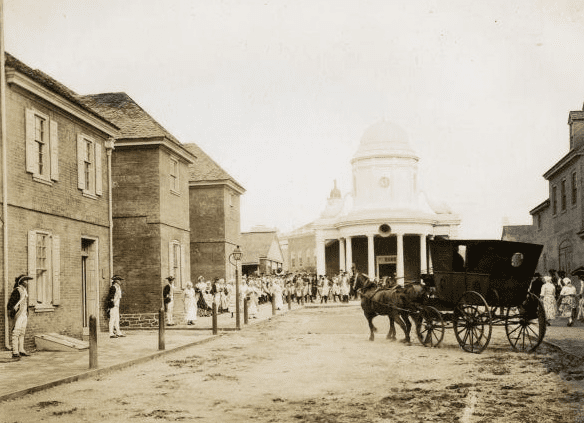
Visitors were greeted by 5 exhibition halls with pavilions representing 31 states, 4 territories and 9 foreign nations. Until this day, the construction of the local stadium, where the main event took place, has been completed. The recreation of Philadelphia’s colonial High Street with more than 20 buildings was another highlight of the festival.
The audience also had the opportunity to watch the magical process of lighting twenty-six thousand light bulbs that reflected the silhouette of an 80-foot replica of the Liberty Bell.
The Sesquicentennial International Exposition ended on November 30. Thereafter, the organizers had to pay off their debts for a long time because the event did not pay for itself at all. They planned to host well over 30 million people, but in reality only 4 million attended. The largest share was residents, who were especially numerous on weekends.
Among the reasons for the failure of such a large-scale festival, contemporary researchers identify the lack of consolidation of views on the purpose and organization of the fair, as well as poor advertising. In addition, the celebration was spoiled by bad weather. During the one hundred and eighty-four days of the event, most of them were rained out.
However, despite the disappointing result in 1926, the leaders of Philadelphia, on the 200th anniversary of the adoption of the legendary document for Americans, wanted to hold the fair again. However, at that time, the relevant officials in the United States government did not support local enthusiasts with funds, so they decided not to hold the festival.