

In the heart of Philadelphia’s historic Old City district, nestled in an unassuming venue, lies a true time capsule of American musical counterculture—the Khyber Pass Club (or simply “The Khyber”). It is not a sophisticated concert hall, but a dark basement that, nonetheless, became the epicenter and the actual birthplace of the Philadelphia musical underground.
For decades, the Khyber served as a launchpad for countless local punk, indie-rock, and alternative bands. But its true fame comes from the legends who played there. It was in its cramped walls that giants like Kurt Cobain with Nirvana performed early in their careers, along with other stars who later conquered global stages. What magic did this basement hold? How did it manage to turn little-known bands into musical idols, forever inscribing its name in the history of American music? We dissect the secrets at philadelphiaski.com.
The Rise of Alternative Music
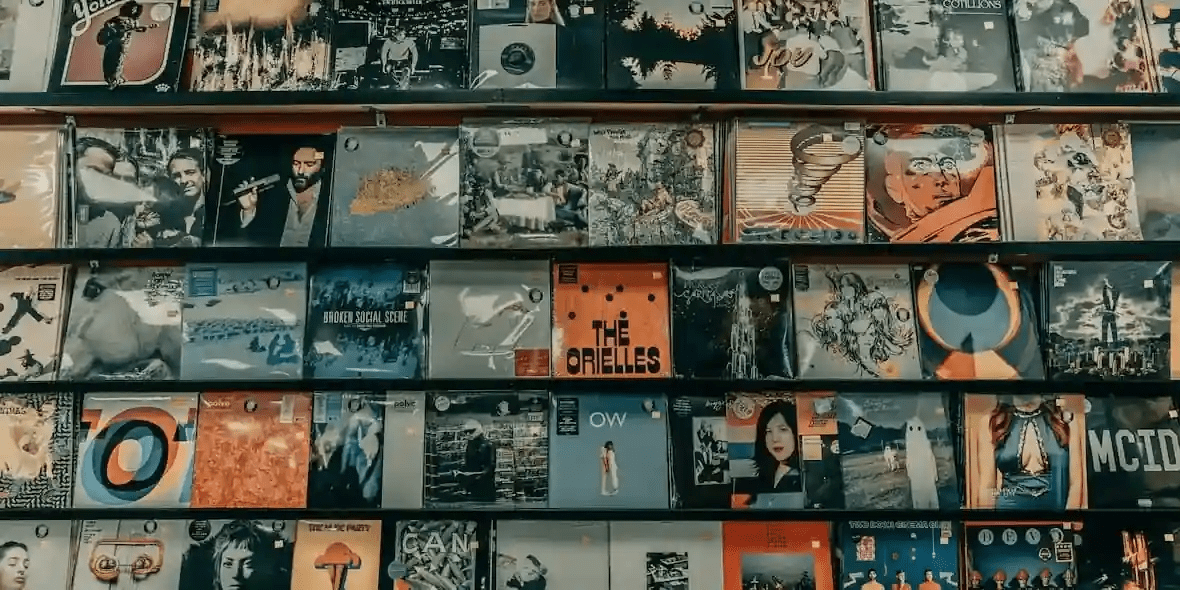
In the 1980s, when musical Philadelphia was searching for its new, bold voice outside the dominant genres of soul and R&B, the Khyber Pass Club quickly transformed into a center of gravity for the indie-rock and punk community. It was an epochal shift in local musical culture.
The venue offered a raw, informal atmosphere and, most importantly, low rental fees for performances. This made it an ideal and accessible platform for budding musicians who couldn’t get into larger commercial halls. The Khyber owners consciously avoided commercialization, favoring experimental, loud, and innovative bands over the mainstream.
This policy quickly attracted the attention of national promoters and bookers who came to Philadelphia seeking fresh, unspoiled names in big cities. It was here, in this damp basement, that many local bands—who are now legends—took their first crucial steps onto the big stage, defining the future sound not only of the region but also of American alternative music. “The Khyber” essentially became a laboratory for the birth of a new musical movement.
Tiny Stage, Big History
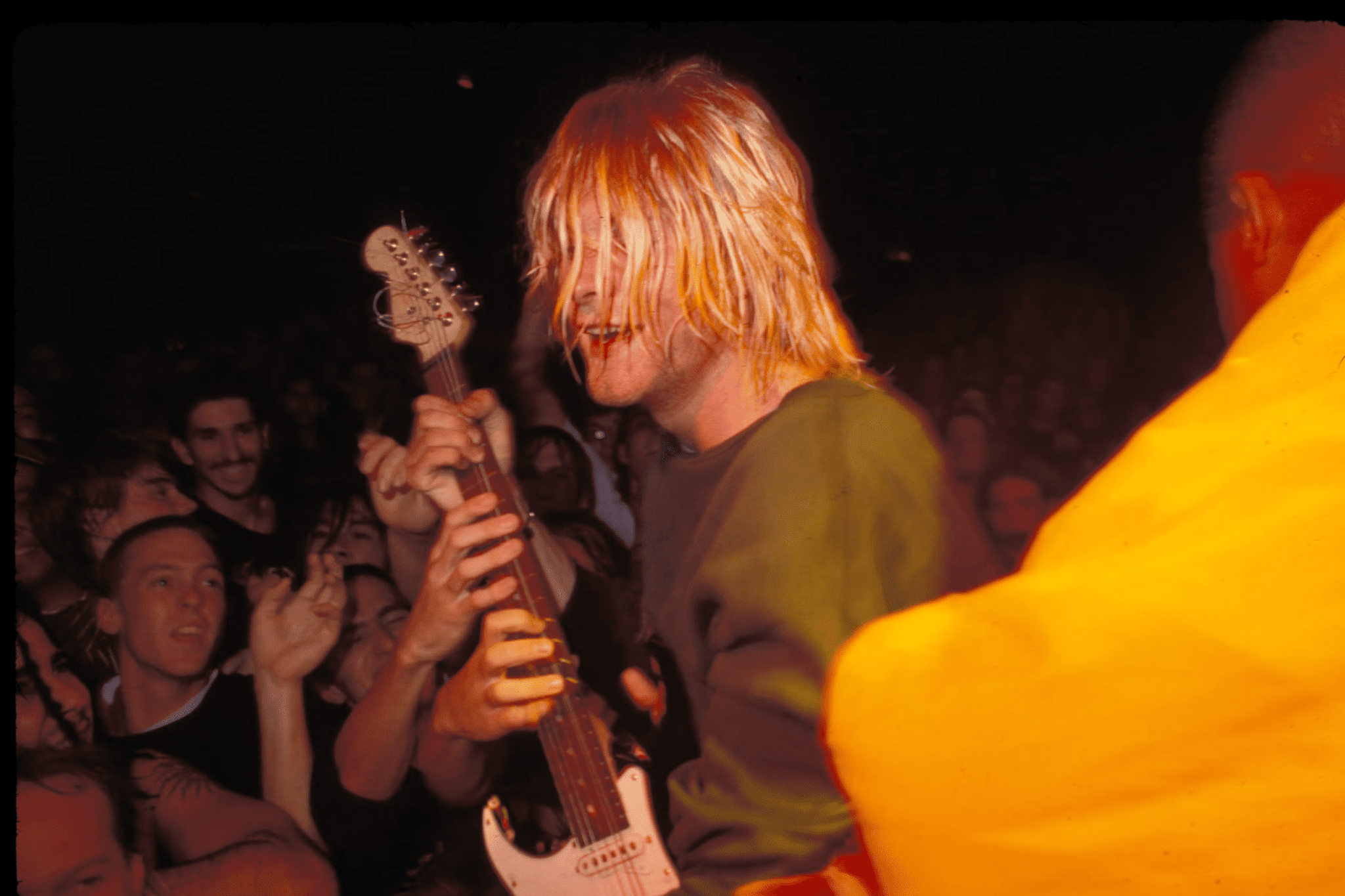
The most iconic and, arguably, legendary event associated with the club was the performance by the band Nirvana. This took place in 1989, long before the band’s global fame. At the time, the band was just a young, ambitious indie act promoting their debut album, Bleach.
According to eyewitnesses and local music journalists, the performance was extremely energetic and raw, typical of early grunge. However, it took place before a small audience, which only adds irony to the event. The presence of Kurt Cobain and his band on the basement stage became a powerful retrospective marker.
This fact proved that the Khyber was a place where genuine musical history was made in real-time, even before it was noticed by major labels and global media. The Nirvana performance didn’t just boost the club’s prestige. The event became an inseparable part of the venue’s mythology, permanently cementing the Khyber’s status as a cult location where every brick has its own musical history.
The Specifics of the Scene
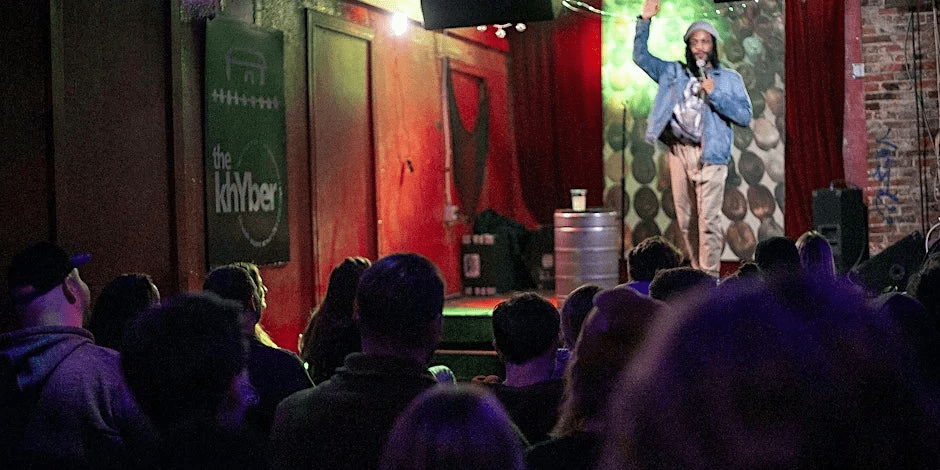
The physical characteristics of the club’s basement were part of its charm. The room was cramped, which ensured incredible intimacy between the performers and the audience. Patrons stood literally a meter away from the musicians, feeling the physical vibration of the sound. The acoustics, though not acoustically perfect in an academic sense, were ideal for the loud and raw sound of alternative rock. This unique atmosphere created a unique experience for fans who valued authenticity and a lack of glamour. The very austerity of the setup underscored the non-commercial spirit of the music played there.
The Resilience of the Legend
Like many independent venues, the club faced financial difficulties and changes in ownership in the 2000s. Its existence was always unstable due to rising rents and the gentrification of the Old City district. In the 2010s, the club underwent several transformations and even a temporary closure, which caused a wave of nostalgia among the local music community. However, the city authorities and public organizations recognized its cultural importance, and it was reopened under a new name and with new management committed to preserving its heritage. This revival proved that the Khyber Pass is not just a building, but a part of Philadelphia’s cultural code.
The Club’s Legend
| Parameter | Value/Details | Impact on the Music Community |
| Location | Old City, Second Street, Philadelphia. | Symbol of the underground in the historic center. |
| Key Performance | Nirvana (1989). | Cementing its status as the place where future stars are born. |
| Aesthetics | Cramped basement, minimalist stage. | Providing an intimate and authentic atmosphere. |
| Genre Focus | Indie-rock, punk, alternative music. | Center for experimentation and development of Philadelphia’s counterculture. |
| Legacy | Cult status, constant preservation efforts. | Proof of the cultural importance of independent venues for the city. |