

Philly Beer Week is far more than a simple series of bar crawls; it is the largest and oldest festival of its kind in the United States, effectively transforming Philadelphia into the nation’s “Beer Capital.” Established in 2008, this ten-day marathon unites hundreds of breweries, bars, and restaurants, offering thousands of events ranging from exclusive craft tastings to academic-level brewing symposiums. The festival has become a catalyst for the explosion of small, independent breweries in the region, proving that brewing is a sophisticated blend of haute gastronomy, science, and deep-seated historical traditions that date back to the nation’s founding fathers. Discover the essence of the festival below at philadelphiaski.com.
The Founding Fathers and the Spark of an Idea
The origins of this marathon can be traced back to three pivotal figures in Philadelphia’s culinary scene: Bruce Schimmel, Tom Peters (owner of the legendary Belgian pub Monk’s Cafe), and Don Russell (better known as “Joe Sixpack,” the region’s preeminent beer columnist). In 2007, they recognized that Philadelphia possessed a unique concentration of Belgian imports and daring local craft experiments, yet lacked a singular event to weave these threads together. They drew inspiration from traditional European festivals, but the American iteration was designed to be more dynamic, decentralized, and community-driven.
Philly Beer Week debuted in March 2008 as a calculated risk. The organizers were unsure if rival bars would embrace the idea of collaborative marketing. However, the results far exceeded expectations: over 100 venues signed on to host events, and the sheer volume of attendees proved that the city was thirsty for such a format. It was during this inaugural year that the legendary Hammer of Glory was born, serving as the festival’s visual and spiritual anchor ever since.
The road to success was not without its hurdles. Early challenges included complex logistics and restrictive legislation. The stringent rules of the Pennsylvania Liquor Control Board (PLCB) initially limited tasting opportunities and the legal movement of products between venues. Organizers had to exercise remarkable ingenuity to legally showcase international brews. Furthermore, the first few years were marked by scheduling chaos—events were being added so quickly that printed guides often became obsolete before they even hit the stands.
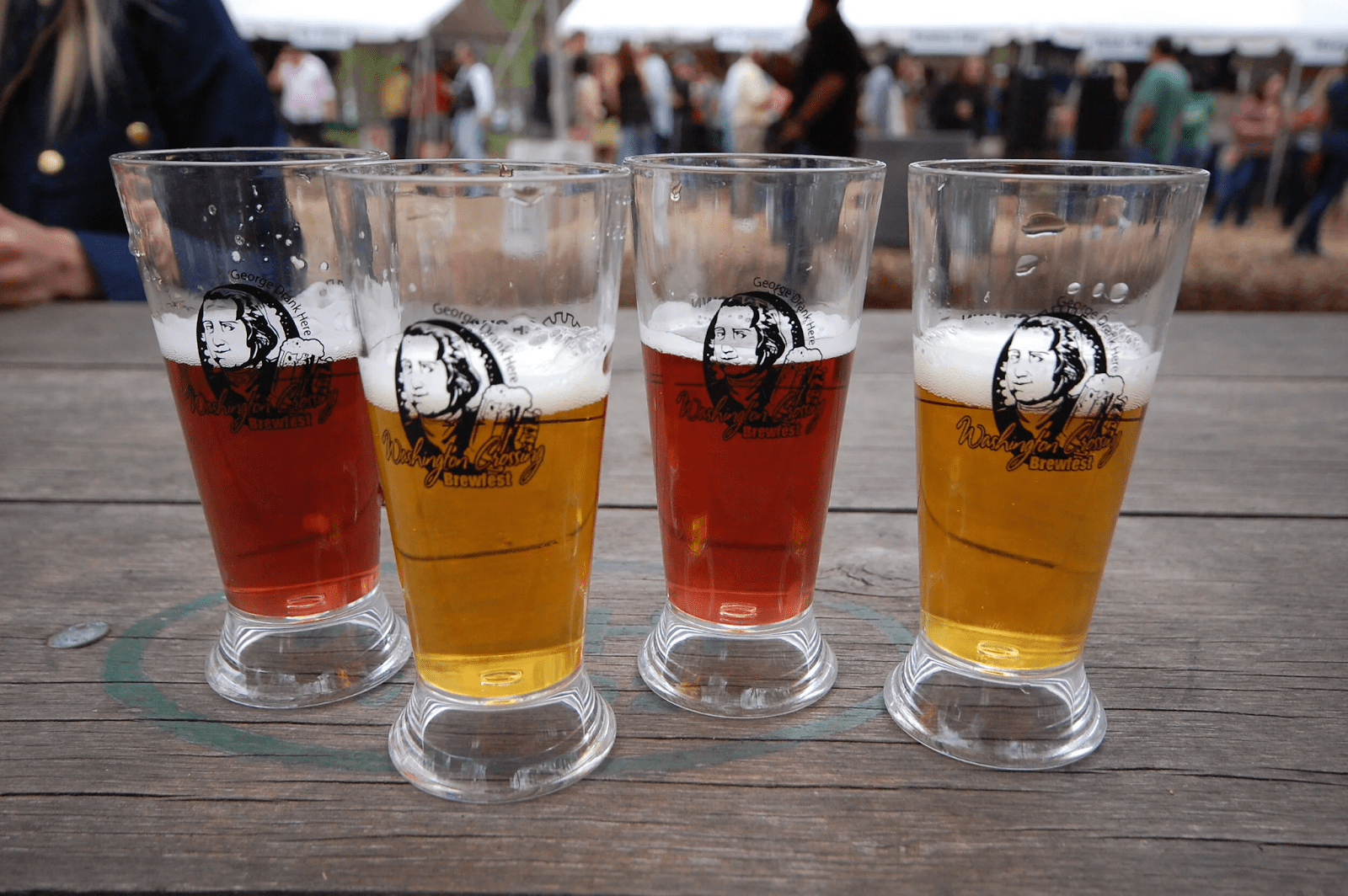
The Hammer of Glory: The Energy of the Opening Tap
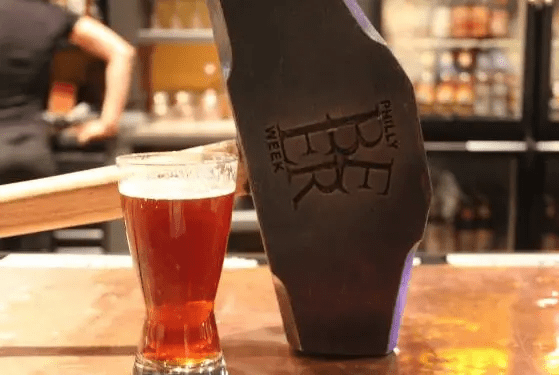
If you think Philly Beer Week is just about sitting in a bar, you haven’t witnessed the city’s greeting of its most famous fermented artifact. The true climax and spiritual kickoff of this ten-day marathon is the Opening Tap ceremony, and its perennial protagonist is the aforementioned Hammer of Glory (HOG). This heavy bronze mallet holds near-religious status in Philadelphia, symbolizing the transition from the mundane to a time of grand urban celebration.
An Action-Packed Urban Quest
Before delivering the decisive blow, the Hammer of Glory embarks on an epic journey across the city. This is not mere transportation; it is a massive relay race that rivals the Olympic Torch relay in terms of media attention and local hype—albeit with a healthy dose of signature Philly humor.
The route winds through dozens of iconic pubs and breweries, with the modes of transport becoming more imaginative every year. The hammer has been ferried via:
- Vintage fire trucks with blaring sirens;
- Horse-drawn carriages evoking the colonial era;
- Bicycle cavalcades, trash trucks, and even rafts floating down the river.
Every stop along the relay is a localized party where the community welcomes the festival’s approach. The hammer travels from hand to hand, stitching different neighborhoods—from upscale Center City to gritty, industrious Fishtown—into a single celebratory fabric.
The Moment of Truth and the First Pour
The journey’s final destination is the grand Opening Tap ceremony. Here, the mayor or a designated “Grand Marshal” takes the stage. The spotlight shines on the first keg of beer, often a special collaborative brew made specifically for the season’s launch.
When the Hammer of Glory finally strikes the spigot and the first streams of beer fill the glasses, Beer Week is officially declared open. This is more than a technical task; it is a ritual that causes the crowd to erupt in applause. It is the moment when the energy of anticipation transforms into a tangible, city-wide celebration.
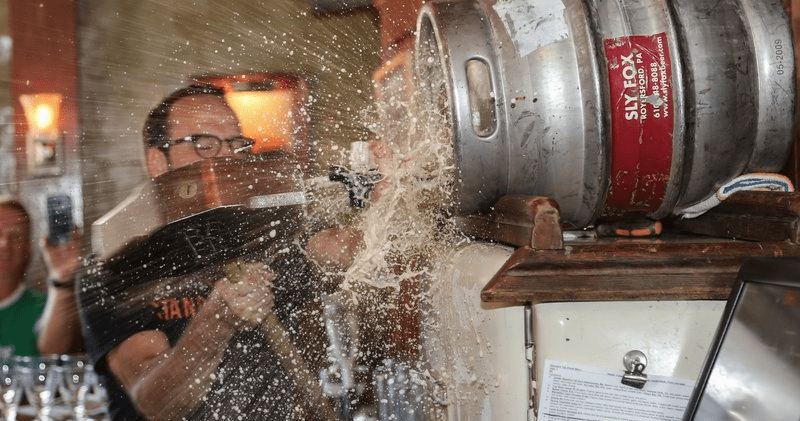
The Philosophy of Unity: Democracy in Every Sip
The core value of this tradition is its absolute sense of democracy. The hammer ritual emphasizes that Philadelphia’s beer culture acknowledges no hierarchies. During Opening Tap, standing shoulder-to-shoulder at the same keg, you will find:
- Corporate executives in tailored suits;
- Shipyard workers, contractors, and laborers;
- Students, tourists, and world-class professional brewers.
These are the invisible threads that bind the community together. The hammer symbolizes both labor (the manual craft of the brewer) and celebration (the fruit of that labor). The Opening Tap tradition elevates the festival beyond the confines of individual pubs, turning it into a collective urban expression of joy. It serves as a reminder that Philadelphia is a city where history, hard work, and the art of celebration flow together in one powerful stream.
A Craft Ecosystem: Why Philadelphia?
Philadelphia possesses a unique market structure often hailed as the “Best Beer City in America.” This reputation is built not only on the sheer number of breweries but on the sophisticated palate of the local public. During Philly Beer Week, the city becomes a global stage for innovation. Breweries from across Pennsylvania and the world (including prestigious Belgian and German labels) bring their most limited-edition releases here.
Local establishments compete in creativity, hosting “beer breakfasts,” Meet the Brewer sessions, and themed pairing dinners where beer is elevated to the level of fine wine—paired with everything from fresh oysters to artisanal cheeses. This ensures the festival appeals not just to lager enthusiasts but to the most discerning gourmands.
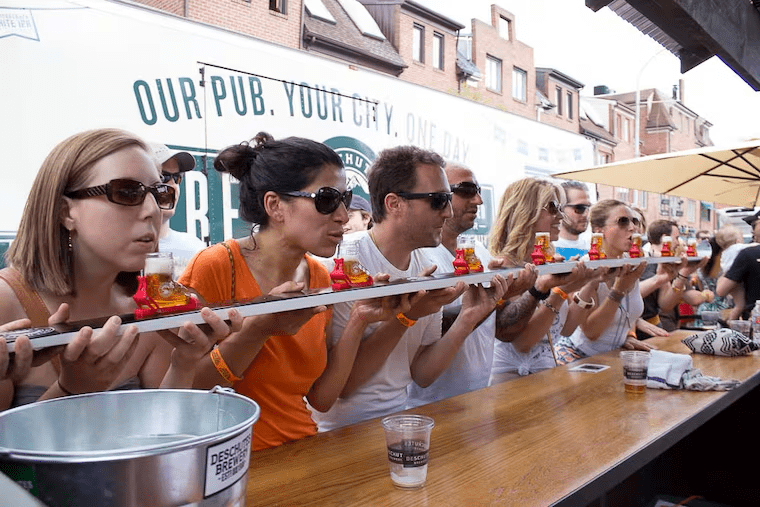
Logistics and Scale: Controlled Fermented Chaos
Managing an event of this magnitude requires surgical coordination. The non-profit organization Philly Loves Beer oversees the festivities, promoting a culture of responsible consumption and supporting local producers.
- Geography. Events span every corner of the city, allowing guests to explore Philadelphia through the lens of its diverse bar and neighborhood cultures.
- Mobility. To ensure safety, organizers often coordinate special public transit routes or “beer shuttles,” allowing visitors to move between locations without getting behind the wheel.
- Economic Impact. The festival draws tens of thousands of tourists, generating millions in revenue for the hotel and hospitality sectors during what was once considered a “slow” shoulder season.
Social and Cultural Impact
Philly Beer Week plays a vital role in rehabilitating beer as a drink of sophistication and heritage. The festival’s programming includes lectures on the chemistry of fermentation, the history of Prohibition, and the impact of climate change on hop farming.
The city demonstrates that the brewing industry means jobs, support for Pennsylvania farmers, and the preservation of historic buildings that now house modern taprooms. The festival fosters a culture of slow drinking, where the focus is on quality, aroma, and origin. It is a celebration of intellectual consumption that places Philadelphia firmly on the world map of gastronomic tourism.
The Festival by the Numbers
The statistics of Philly Beer Week are a testament to how shared passion can drive a metropolis forward:
- 10 days of non-stop energy — over 240 hours when the city unites.
- Over 200 participating venues — from intimate corner pubs in Fishtown to massive arenas in the city center.
- Roughly 1,000 individual events — a calendar packed with unique experiences every hour.
- Millions in revenue — funds that stay in the city, supporting local wages and infrastructure.
- 50,000+ “hops pilgrims” — tourists who travel across state lines and oceans specifically for Beer Week.