

The “International Exhibition of Arts, Manufactures, and Products of the Soil and Mine,” famously known as the Centennial International Exhibition, took place in Philadelphia from May 10 to November 10, 1876. It was the first World’s Fair held outside of Europe. In the United States, it coincided with the 100th anniversary of the Declaration of Independence, which was also signed in Philadelphia. Learn more at philadelphiaski.
A total of 37 countries participated in the exhibition, and the event attracted an incredible 10 million visitors. Here’s a closer look at the journey from the initial idea to the realization of this landmark event.
The Idea and Organization of the International Exhibition in Philadelphia
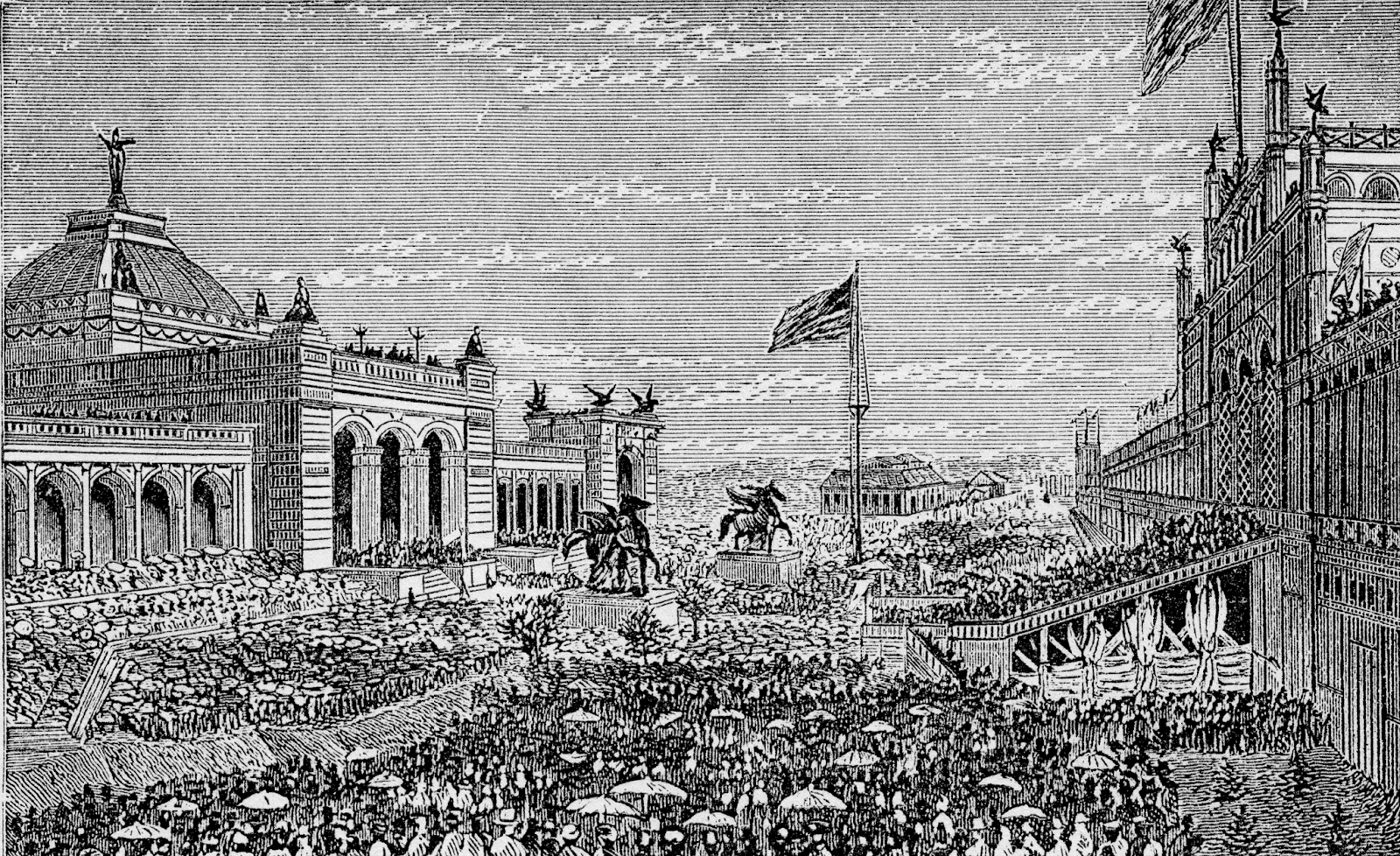
The idea to host such a large-scale event in Philadelphia came from Professor John L. Campbell, who proposed it to the city’s mayor in 1866. The proposal immediately faced skepticism and was even deemed impossible by some. After all, it required securing funding, attracting numerous countries, and ensuring that American products would be competitive on a world stage.
One of the earliest supporters of the exhibition was the Franklin Institute, which suggested hosting it in Fairmount Park. In January 1870, the City Council approved this proposal. Subsequently, a committee was formed to develop a plan for the exhibition and secure support from Congress.
It’s worth noting that Congress approved the idea and allocated $1.5 million for its implementation. However, this was a loan that had to be repaid. Funds for organizing the event were raised by a specially created Centennial Board of Finance. In reality, the exhibition was financed by the state of Pennsylvania and the city of Philadelphia itself. Concurrently, the U.S. Centennial Commission was established and also became involved in the exhibition’s organization.
In 1873, Alfred T. Goshorn was appointed Director-General of the Exhibition. That same year, 450 acres in Fairmount Park were allocated and consecrated for the event. It was decided to organize the exhibition into seven departments: agriculture, mining and metallurgy, manufacturing, machinery, education and science, art, and horticulture.
Representatives from the organizing committee were sent to Europe with invitations. Despite skepticism from some Americans, all invited countries agreed to come to the United States and participate. This spurred the construction of temporary hotels near the future exhibition site. The local railroad company promised to run additional trains to Philadelphia, and the medical bureau even set up a small hospital for the event. Furthermore, Mayor William S. Stokley appointed 500 men to serve as exhibition guards.
The Great Exhibition Construction
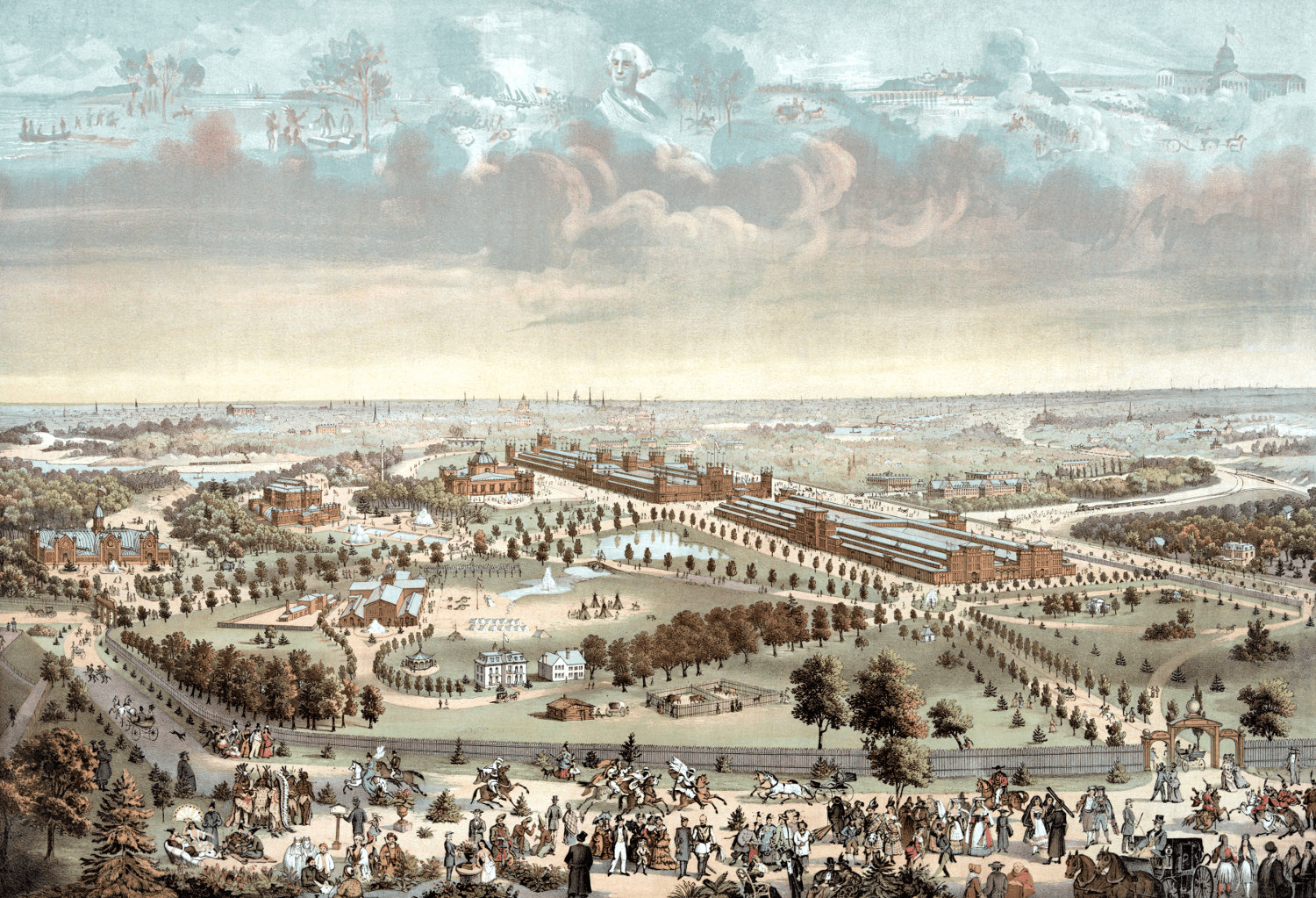
Over 200 buildings were constructed for the International Exhibition in Philadelphia. Five of these served as the main exhibition spaces:
- The Main Exhibition Building
- Agricultural Hall
- Horticultural Hall
- Machinery Hall
- Memorial Hall
Other structures served state, federal, foreign, corporate, or public purposes. Previous exhibitions of this scale had used one or a few large buildings as pavilions. Philadelphia’s approach of using numerous, dedicated structures was a first. The buildings themselves varied, ranging from traditional masonry structures to innovative buildings with iron and steel frames.
Innovations and Famous Products: What the Exhibition Showcased
While the event’s official title was the “International Exhibition of Arts, Manufactures, and Products of the Soil and Mine,” its central theme was the centennial of the U.S. Declaration of Independence and the desire to showcase the power and innovation of the young nation to the world.
The opening ceremony took place on May 10, 1876. It was attended by President Ulysses S. Grant and his wife, as well as the Emperor of Brazil and his wife. Together, they switched on the Corliss Steam Engine, which powered most of the machinery in the other halls.
On its first day, the exhibition was visited by 186,272 people. However, the number of guests dropped significantly afterward. On the second day, there were only 12,720 visitors. Throughout May, daily attendance averaged around 36,000, rising to about 39,000 in June. The July heat caused attendance to dip again, but it climbed to 42,000 per day in August and peaked at 102,000 in October.
The exhibition featured a steam locomotive and a passenger car on iron rails. Machinery Hall presented typewriters, electric pens, new sewing machines, stoves, lanterns, rifles, agricultural equipment, and various vehicles. Visitors could also see the first Bell telephone, Edison’s automatic telegraph system, screw-cutting lathes, universal grinding machines, pneumatic tools, and mechanical calculators. A portion of the exhibition was dedicated to new food products, such as ketchup and popcorn.
A unique highlight of the exhibition was the right arm and torch of the Statue of Liberty. For a fee of 50 cents, guests could climb it. The money raised was used to help fund the construction of the statue’s pedestal.
The numerous exhibits from other countries were also noteworthy. The event turned out to be a massive and fascinating spectacle for both locals and visitors. Despite all the initial doubts, the idea for the first International Exhibition in the U.S. was realized in the best way possible, putting Philadelphia at the center of the world’s attention.