

The Forrest Theatre in Philadelphia is a popular venue for touring theatrical troupes and dance companies from other cities in the US. The modern building was built in 1927 at the initiative of the Shubert Organization, which took over financing of the construction and further management of the theater. Learn more at philadelphiaski.com.
The newly constructed institution was named after the renowned Philadelphia actor Edwin Forrest. The founders aimed to surpass the Erlanger Theatre, which was one of the industry leaders at the time. Find out if this goal was accomplished and what role the Forrest Theatre plays in the life of modern Philadelphia.
The Forrest Theatre and the Shubert Organization
The modern Forrest Theatre is located in Philadelphia at 1114 Walnut Street. The auditorium is designed to accommodate 1,851 people. The Shubert Organization, which manages the institution, undertook the construction of the new theater building in 1927.
This is the oldest American professional theater company, which owns 17 theaters on Broadway and in other US cities, including Philadelphia. It was founded by three Shubert brothers at the end of the 19th century. In 1900, they began producing shows in New York City and quickly realized that they required their own venues. So, the brothers began purchasing theaters and building new ones.
In the 21st century, the Shubert Organization remains the biggest player in the United States theater industry. It has adopted an innovative system for selling tickets online, including separate platforms for retail and wholesale buyers. The Shubert Foundation, which remains the organization’s sole shareholder, supports and promotes theater arts in the United States by funding dance companies and non-profit theaters. So, in 2023, 635 grant recipients obtained a total of 37.9 million dollars for the development of their projects. The organization also owns an archive to preserve its history. Furthermore, since its inception, the organization has produced hundreds of plays and musicals and continues to do so.
Thus, the Philadelphian theater, now known as the Forrest, was fortunate to be under the hands of such an organization. It shaped its modern appearance by investing in construction and developing its ideology and operation mechanisms. It continues to run the theater, which has become a well-known and popular creative platform in the city.
History of the rise of the Forrest Theatre
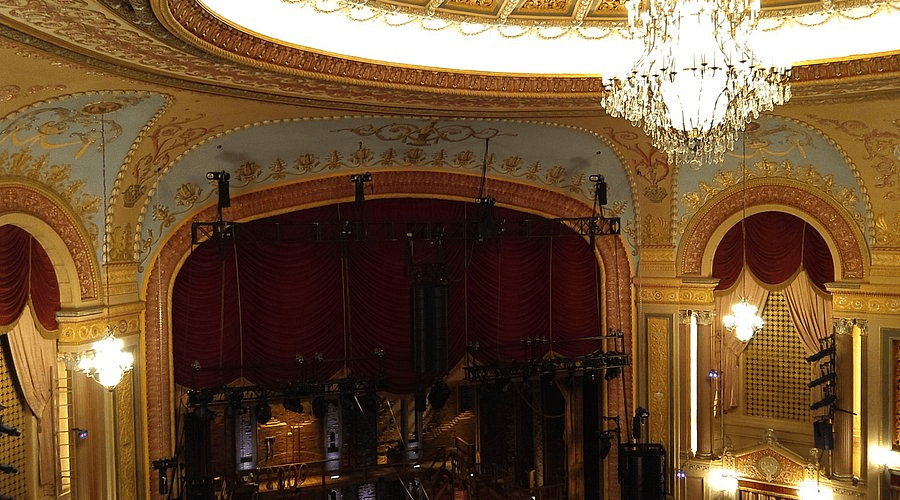
The original theater was located on Broad and Sansom Streets. Details concerning its years of operation, the date of its founding and its creative journey are unknown. In 1927, the structure was purchased and demolished by Fidelity Trust Company. However, the history of the theater did not end there, on the contrary, it began in a new direction.
The Shubert Organization grew interested in the Philadelphia area and decided to relocate it to a new place here. The new building was constructed in the same year, 1927. The construction costs exceeded 2 million dollars. The theater was designed by Herbert J. Krapp, a renowned architect in Philadelphia and beyond, for whom this project became one of the last and most challenging.
The new structure featured novel amenities available at the time, including:
- wider seats were made for the orchestra
- a separate smoking room was built
- the project included separate restrooms for women and men
- the building was equipped with the most modern ventilation and electrical systems.
The interior of the building was extremely lavish, featuring multiple gilded accents and silk brocade in the halls and corridors. Changing rooms and dressing rooms for actors were located in a separate building connected to the main theater via an underground tunnel leading backstage.
Such expenses and luxuries were spent in order to construct a theater that would be superior to the city’s then-famous Erlanger Theatre. The Shubert brothers sought fair competition and aimed to impress the audience not just with their performances, but also with the convenience of viewing them.
Following the end of construction, the theater was named after the outstanding Philadelphia actor Edwin Forrest. He was born and grew up in the city, and, in the 19th century, he became famous far beyond its borders.
The Forrest Theatre debuted in 1928 with the play “The Red Robe”. In 1997, the building underwent reconstruction. Then cosmetic repairs were performed, and restrooms for people with disabilities were installed. This demonstrates the construction’s quality, as it endured 60 years of use and required only minor adjustments.
Events at the Forrest Theatre
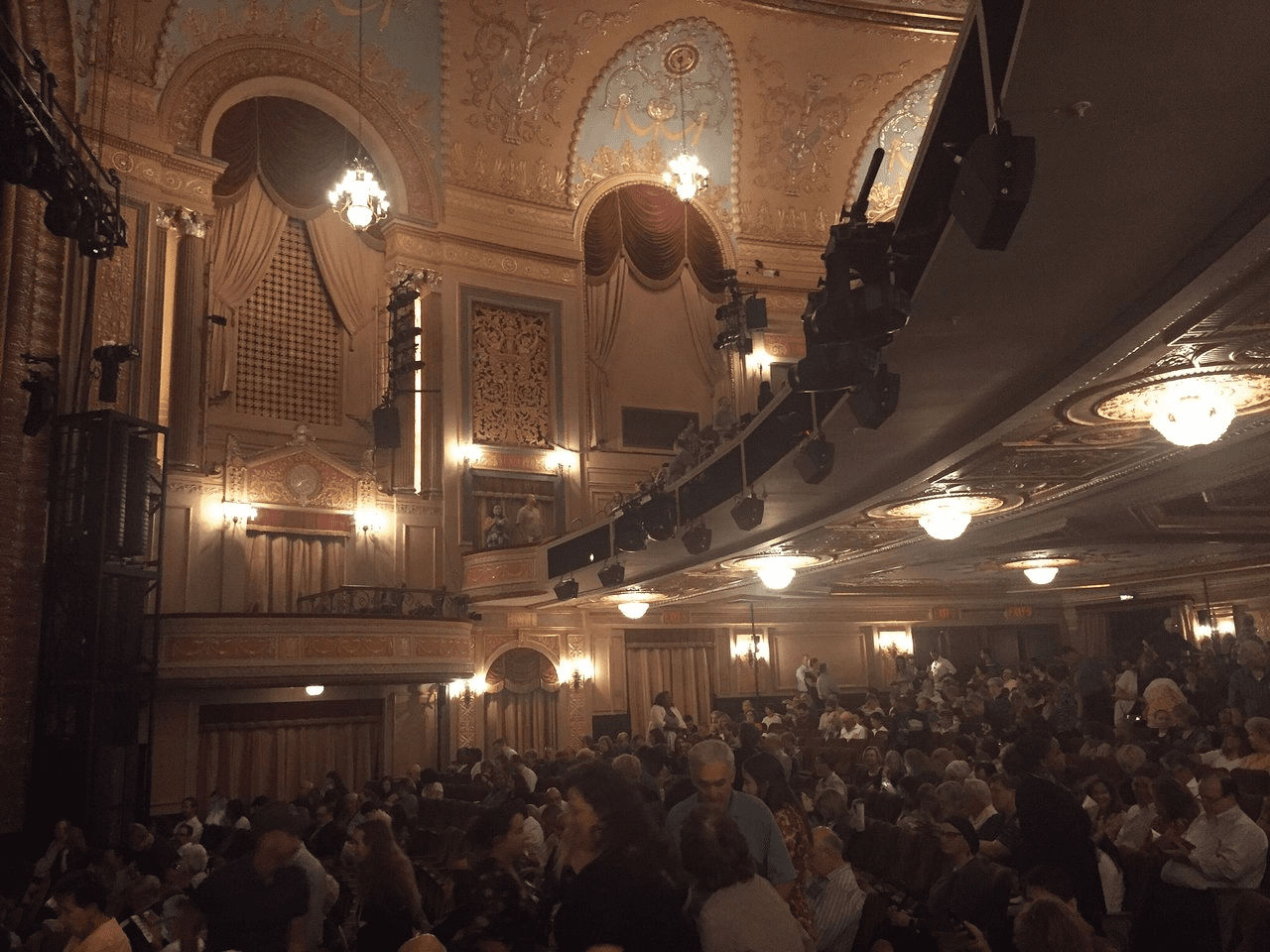
Over the years, the Forrest Theatre has grown into an experimental venue, hosting various Broadway plays and musicals. These were frequently preliminary and trial screenings for productions that would later go to Broadway.
Among such performances, it is worth mentioning “The Women”, “Along Fifth Avenue”, “The Liar”, “Wonderful Town”, “The Music Man”, “Funny Girl”, “Breakfast at Tiffany’s”, “Golden Rainbow” and “Chicago”.
Since the 2007-2008 season, the theater has merged with the Kimmel Center for the Performing Arts for a joint Broadway tour.
In modern Philadelphia, the Forrest Theatre is a lively and unique location for theatergoers, with a rich past and fascinating modern art.