

Fanny Coppin was a trailblazing educator, missionary, and advocate for women’s rights, with a special focus on education. She overcame significant obstacles on her journey, becoming a role model for future generations in the ongoing fight for equal rights. Fanny was one of the first Black women to graduate from Oberlin College. She also led the Institute for Colored Youth in Philadelphia and served as a school superintendent. Read on to learn more about the life of this indomitable woman. Learn more at philadelphiaski.com.
Early Life and Education
Fanny Jackson was born on October 15, 1837. Born into slavery, she remained enslaved until she was 12, when her aunt purchased her freedom for $125. After gaining her freedom, Fanny lived in Newport, Rhode Island. She worked as a domestic servant for the writer George Calvert, seizing every opportunity to educate herself.
With the money she earned, Fanny hired a tutor for three hours of study each week. Later, the African Methodist Episcopal Church awarded her a scholarship. With this financial aid and her aunt’s support, she enrolled at Oberlin College in 1860. It was the first college in the United States to admit both women and African Americans.
At the time, the college offered a separate “ladies’ course.” Fanny completed this course in one year before transferring to the more rigorous “gentlemen’s course.” Interestingly, while college rules didn’t forbid this, it was certainly not encouraged. The men’s curriculum included more intensive studies in Greek, Latin, and mathematics. It was widely believed that such a demanding workload was too much for women, especially African American women, to handle.
However, Fanny excelled in her studies through sheer determination. In her autobiography, she later recalled feeling constant pressure and scrutiny from her professors. One of her Greek tutors even sat in on her mathematics class to see if she was equally proficient in that subject. Fanny proved her intellect and took great pride in the opportunity to uphold the honor of her race.
In addition to her own studies, she taught an evening reading and writing course for formerly enslaved African Americans. While this was common for male students, the faculty allowed her to try, fully expecting her to fail. However, her teaching efforts were a resounding success. She graduated with a bachelor’s degree in 1865, joining a very small group of African American women who had achieved this milestone.
Professional Career and Major Accomplishments
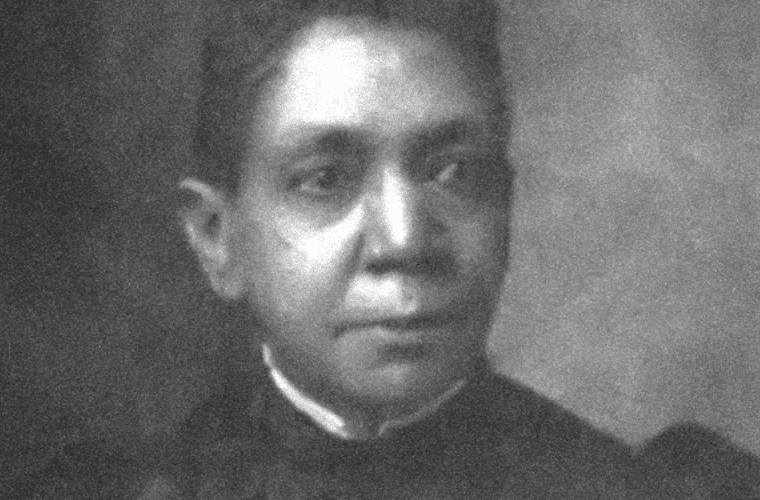
Fanny became the first Black teacher in the Oberlin College Preparatory Department. After graduating, she accepted a position at the Institute for Colored Youth (now Cheyney University of Pennsylvania) in Philadelphia. She headed the women’s department and taught Greek, Latin, and mathematics.
In 1869, she was appointed principal of the institute, making her first African American woman in the country to become a school principal. Fanny dedicated 37 years to the Institute, tirelessly working to improve educational opportunities in Philadelphia. She also became the first African American woman appointed as a school superintendent in the United States. She briefly left the Institute for this role before later returning.
In 1881, Fanny married Reverend Levi J. Coppin, a minister in the African Methodist Episcopal (AME) Church and a pastor in Baltimore. After their marriage, Fanny became deeply involved in his missionary work. In 1902, the couple traveled to South Africa to establish schools and provide aid to the local population.
Other notable highlights of Fanny Coppin’s biography include:
- In 1879, she helped rescue The Christian Recorder, the oldest existing periodical by African Americans, from bankruptcy.
- In 1888, she and a committee of women helped establish a home for destitute women.
- In 1899, an African American women’s club in Alameda County, which advocated for women’s suffrage, was named in her honor.
Coppin was also one of only five African American women invited to speak at the World’s Congress of Representative Women in Chicago. There, she delivered a powerful speech titled “The Intellectual Progress of the Colored Women of the United States Since the Emancipation Proclamation.”
Fanny remained politically active throughout her life, participating in rallies and demonstrations. She also served as a vice president of the National Association of Colored Women.
Later Life and Lasting Legacy
After years of demanding missionary work, Fanny’s health declined significantly. She returned to Philadelphia, where she passed away on January 21, 1913. This distinguished woman was buried in Merion Memorial Park. That same year, her book, Reminiscences of School Life, and Hints on Teaching, was published. In it, Fanny chronicled her personal journey and teaching career, offering a wealth of practical advice.
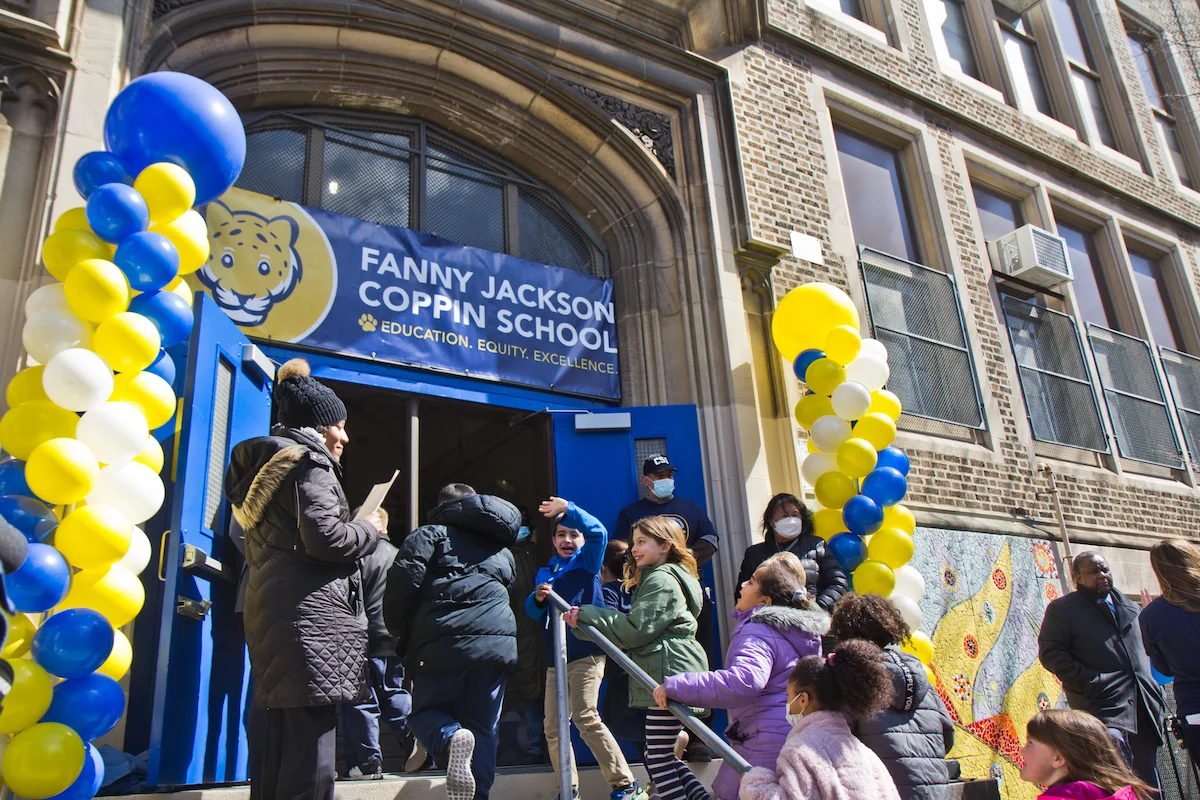
In 1926, a teacher training school in Baltimore was renamed in her honor, eventually becoming Coppin State University. A historical marker dedicated to its long-serving leader was unveiled on the Cheyney University of Pennsylvania campus in 1986. In 2021, a Philadelphia elementary school was also renamed for her, and a scholarship was established in her name.
More than a century after her death, the memory of Fanny Coppin endures. She had a profound impact on the quality and accessibility of education in Philadelphia and across the U.S., achieving remarkable success against all odds.