

Drag ball culture emerged in the United States in the mid-nineteenth century, bringing together LGBT youth representatives from African-American and Latin-American backgrounds. It was an act of disobedience and protest against societal norms and dogmas. At the same time, for a while, these events remained clandestine because there were regulations that forbade wearing clothes of the opposite sex. Learn more at philadelphiaski.com.
These balls included singing, dancing and model-show competitions. The organizers introduced different categories and awarded participants. The most important thing was to create a safe space where LGBT people could gather. We will tell you more about drag balls in Philadelphia.
Drag balls in the USA and Philadelphia
The first drag ball in Philadelphia, known as Onyx Ball, was organized by Michael Gaskins in August 1989. He later created the House of Onyx and produced several popular shows. In 2019, the 30th anniversary of this event was celebrated.
However, Philadelphia was not the origin of this movement. Drag ball culture began in Harlem as early as 1869 among the gay community, particularly among African Americans and Latinos:
- drag balls became very popular because they provided a safe space for representatives of this sexual orientation
- however, society deemed these events illegal and immoral
- despite this, the culture has spread far beyond the borders of the United States, reaching as far as Japan. This is extensively covered in the 1990 documentary “Paris is Burning”.
In the 1970s, New York City emerged as the true mecca of drag balls in the United States. In 1988, one of such events was attended by Philadelphia resident Alvernian Davis, accompanied by Michael Gaskins. The young man was 16 years old and was fascinated by the notion, suggesting that Gaskins try something similar in Philadelphia.
A year later, the city hosted its first drag ball. The LGBT community reacted positively to the event, which brought together a large number of guests. Such a promising start paved the way for further development of such an unusual culture in the city.
Further development of drag balls in the city
Later, Davis, inspired by the example of Gaskins, decided to create his own ball venue and opened House of Xavier. At the moment, he was 18 years old. The community did not accept such novelty, hence the institution was closed after only half a year.
Thus, Gaskins went down in history as the founder of Philadelphia’s ballroom culture, while Davis continued to work on supporting and providing a safe environment for LGBTQ youth. So he soon established House of Prestige.
In 1999, he invited Jacen Bowman to his party. They met in a gallery, and Davis offered the man to try himself as a model. Bowman came half a year later and became acquainted with transgender women and other LGBT people for the first time. He saw drag balls as an opportunity to become a real star in his community, where no one judges anyone, and so it happened.
Jacen later became a well-known makeup artist and established House of Prodigy. According to him, it was the ballroom scene that helped him discover and develop his talents. He has done makeup for many celebrities and collaborated with Fox-29 WTXF “Good Day Philadelphia” and various magazines, including Teen Vogue, Vibe Vixen, Uptown Magazine, Nylon and others.
Today, Bowman believes that all LGBT community members who join House of Prodigy should do what they do best. They can improve and apply their skills in dance, modeling and other areas. Here, they will find the support and inspiration they need, as well as like-minded people and an open community.
From the first drag ball to the modern stage
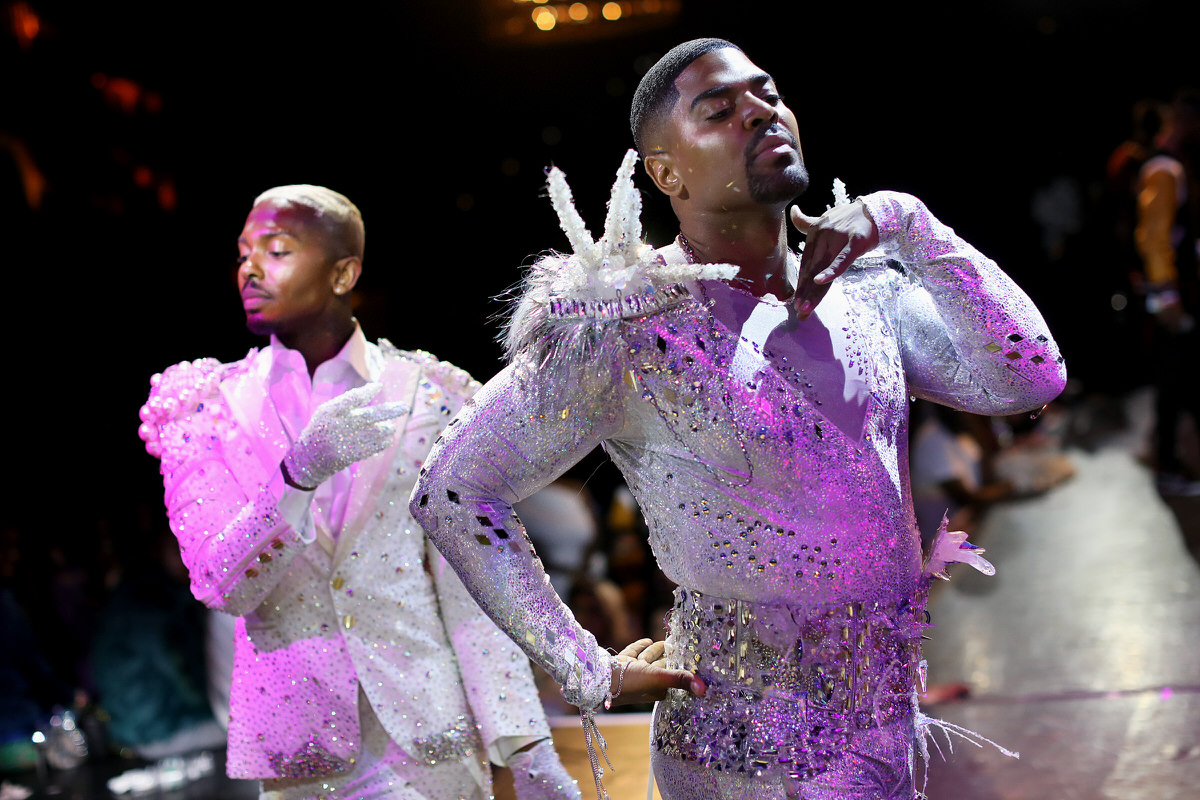
The thirtieth anniversary of Onyx Ball, celebrated in Philadelphia in 2019, was a historic event as it commemorated the birth and development of ballroom culture in the city. Many establishments and events have sprung up since the first ball and House of Alvernian, including Philly Vogue Nights, Elements of Vogue and the Dorian Corey Awards Ball.
In the past 30 years, lots of new people have entered the Philadelphia ballroom scene. As a result, the event’s organizers hope that this culture will continue to thrive in the future, passing the torch to future generations.
The anniversary event was hosted by Jack Mizrahi, and the music was provided by DJ Lucky Mizrahi. The participants of the ball competed and displayed their talents in more than ten categories that were provided. The grand prize was $1,000.
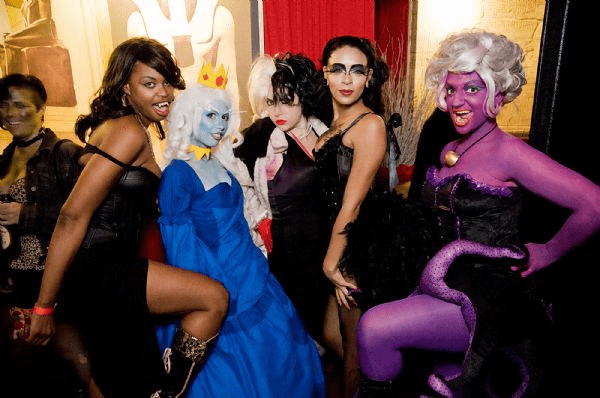
The city’s modern drag culture is brimming with top-tier queens who put on real shows and impress with their talents. Among them are comedians, fashion entrepreneurs and brilliant performers who are eager to showcase their uniqueness, charisma and courage, which they do.
You may enjoy drag shows in Philadelphia at venues including Bok Bar, Tabu Lounge and Sports Bar, Fabrika, as well as places like Bob & Barbara’s and Tattooed Mom. Event announcements can be viewed online in advance, where you can also learn more about drag culture and its representatives. The times when they operated underground are long gone. It is now a place of freedom where everyone may express themselves.