

Ethel Barrymore was a member of the renowned Barrymore acting dynasty, a Philadelphia native who graced both stage and screen, ultimately winning an Academy Award for Best Supporting Actress. She is the grandaunt of Drew Barrymore. In a notable moment from her life, Winston Churchill once proposed to her. So, what was the life and career of this extraordinary actress like? We tell her story on philadelphiaski.
Early Years
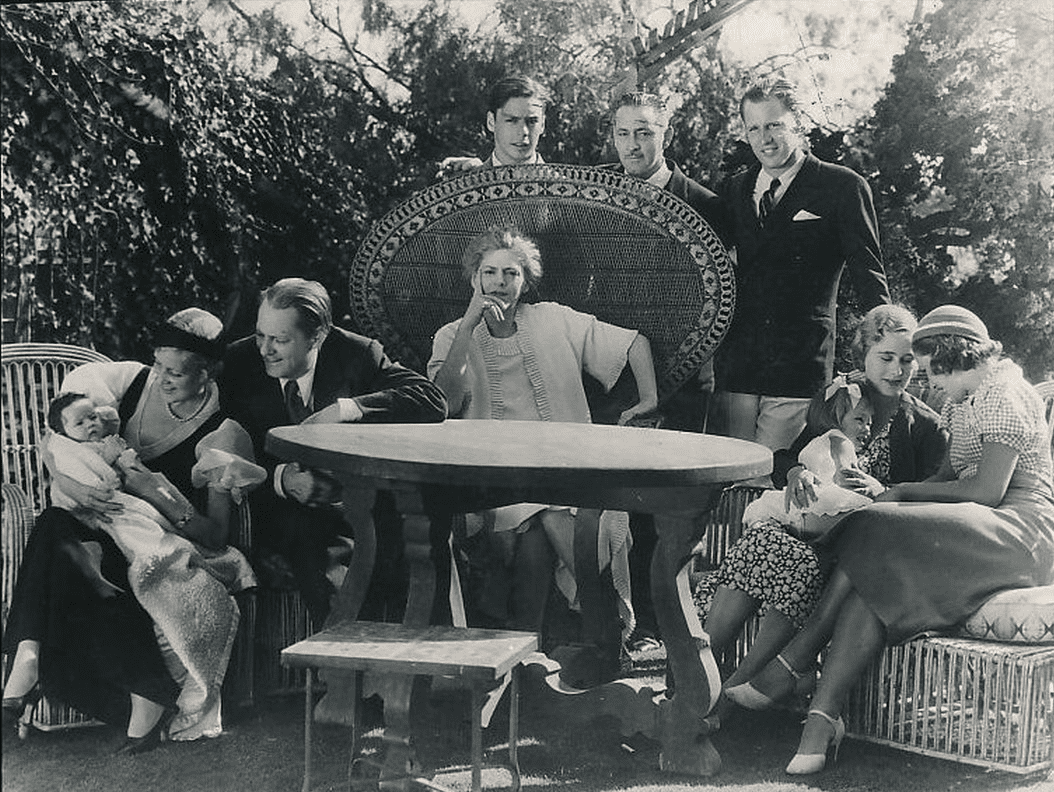
The future stage star was born in Philadelphia on August 15, 1879. Her parents, Maurice Barrymore and Georgiana Drew, were both actors. Maurice had emigrated to the U.S. from Great Britain in 1874 and made his living performing in theaters. Her mother was a comedic actress. The couple had three children. Ethel and her two brothers, John and Lionel, were primarily raised by their grandmother, as their parents were constantly on tour.
Ethel attended a Catholic school and the Convent of the Sacred Heart in Philadelphia. When she was just 13, her mother died of tuberculosis. Her grandmother could not support the family alone, so Ethel had to leave school to begin a stage career alongside her brothers. It’s worth noting that this was a path she had never dreamed of, as she truly wished to become a concert pianist.
However, like her brothers, she possessed an innate talent for acting. It was practically the only inheritance their parents left them, but it proved to be precious enough, as the Barrymore dynasty has continued for several generations.
Acting Debut and Career Development
Ethel’s uncle, John Drew Jr., helped her become a Broadway star. She was accepted into touring groups and began performing with them. Her debut was in the role of Julia in the play “The Rivals.” She then performed in “The Little Minister” and “Rosemary,” which brought her widespread popularity.
Soon, the young actress was invited to London, where she performed in “Secret Service.” Her performance and refined manners captured the attention of all of Britain. Ethel became a true star. Moreover, upon returning to America in 1898, she discovered she had become a national celebrity. On Broadway, she was cast in the play “Captain Jinks of the Horse Marines,” which solidified her star status. American women idolized her, looking up to her as a role model and imitating her in every way.
Men also took notice. In 1900, the actress received a marriage proposal from Winston Churchill, but she turned him down. In 1909, she married Russell Griswold Colt, with whom she had three children: Ethel, Samuel, and John.
Meanwhile, her career continued to soar. She appeared in many plays, with notable roles during this period including Nora in “A Doll’s House” and Juliet in “Romeo and Juliet.” Her role in Maugham’s comedy “The Constant Wife” was also a major success. Many actresses dreamed of such roles, but they were offered first and foremost to Ethel Barrymore.
It seemed nothing could overshadow her success. Unfortunately, her marriage was coming to an end. The couple went through difficult times in their relationship and eventually separated. Around the same time, Ethel’s career began to face challenges. She officially divorced in 1923 and never remarried. The famous actress found herself facing financial hardship and a struggle with alcohol abuse.
The Move to Hollywood and a Film Career
The period following her divorce can aptly be described as Ethel’s own “great depression.” The actress drank almost daily and would appear on stage intoxicated. She quickly realized this path could mean the end of her career, so she decided to move to Hollywood—a world she had always held in disdain.
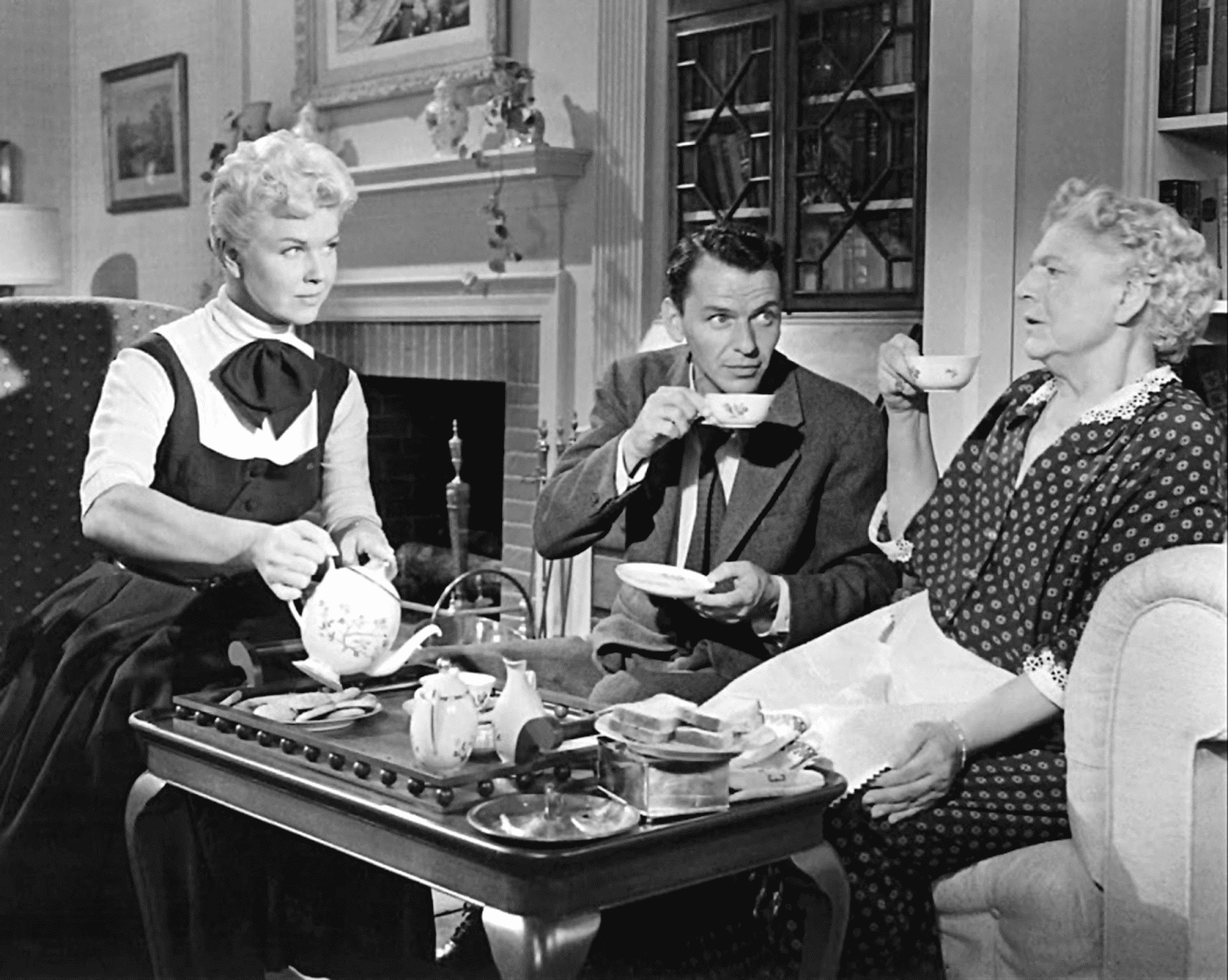
It should be noted that Ethel had first appeared in films back in 1914, but the work hadn’t captivated her then. In 1917, she starred with her brothers in the film “National Red Cross Pageant.” After moving to Hollywood, she appeared in “Rasputin and the Empress” (1932). The NBC network also offered her a role in a series and provided financial support.
In 1940, Ethel temporarily returned to New York, where she starred in her most acclaimed plays and reclaimed her reputation as a stage star. In 1944, she headed back to Hollywood, and this time, she was destined for success. The following year, for her role in the film “None but the Lonely Heart,” Ethel won the Academy Award for Best Supporting Actress.
Her career developed as follows:
- She played many supporting roles in films, with her most famous works including “The Spiral Staircase,” “The Midnight Kiss,” “The Paradine Case,” and “Portrait of Jennie.”
- The actress was nominated for an Oscar three more times but did not win again.
- Throughout the 1950s, she took on small roles in television series, making her a frequent presence on the small screen.
Additionally, Ethel was a member of the Actors’ Equity Association and even participated in strikes. She was also a fan of boxing and baseball. However, after the brutal 1919 fight between William “Jack” Dempsey and Jess Willard, she vowed never to attend another match.
For her contributions to the motion picture industry, Ethel Barrymore was honored with a star on the Hollywood Walk of Fame. The star of stage and screen died of heart disease in 1959 in Hollywood and was buried in Los Angeles.