

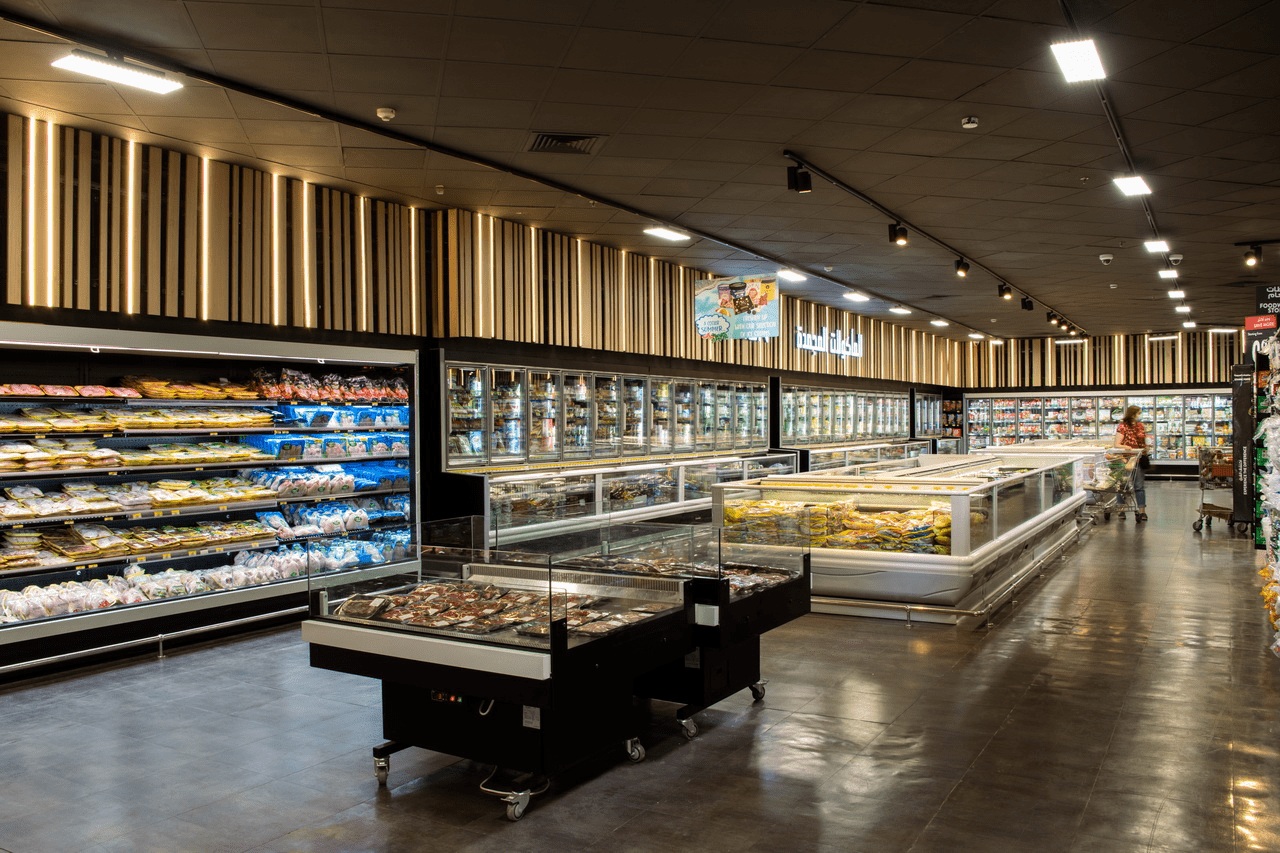
Every modern supermarket has refrigerated and frozen food sections, but few people know that their existence is a direct result of the scientific work of Mary Pennington. This was a critical development during the era of urbanization, as people moved to cities and stopped growing their own food. This created a demand for mass-produced food, and in 1906, the government passed the Pure Food and Drug Act. More at philadelphiaski.
Pennington was instrumental in implementing this Act. She oversaw the processing, transportation, and storage of perishable foods and was an expert in their safety. Learn more about her life’s journey.
An Education Against All Odds
Mary was born on October 8, 1872, in Nashville, Tennessee. Her family later moved to Philadelphia, where her mother’s relatives lived. In 1878, Mary’s younger sister, Helen, was born.
From a young age, Mary was interested in chemistry. In 1890, she became a student at the University of Pennsylvania, where she completed all the requirements for a bachelor’s degree in chemistry, with additional minors in botany and zoology. However, at the time, the university refused to grant degrees to women. Instead of a diploma, Mary was given only a certificate of proficiency. But this did not stop the talented and determined young woman.
She decided to continue her studies and earned her Ph.D. in 1895. Her career then progressed as follows:
- For a year, she worked as a research fellow in the botany department at the University of Pennsylvania.
- From 1897 to 1899, she was a fellow in physiological chemistry at Yale University.
- In 1898, she founded the Philadelphia Clinical Laboratory and also headed the laboratory at the Woman’s Medical College of Pennsylvania.
Concurrent with these activities, Mary was a research fellow at the University of Pennsylvania’s Department of Hygiene and served as a bacteriologist for the Philadelphia Bureau of Health. In this role, she focused on improving sanitary standards for milk and dairy products.
Work with the U.S. Department of Agriculture and Major Inventions
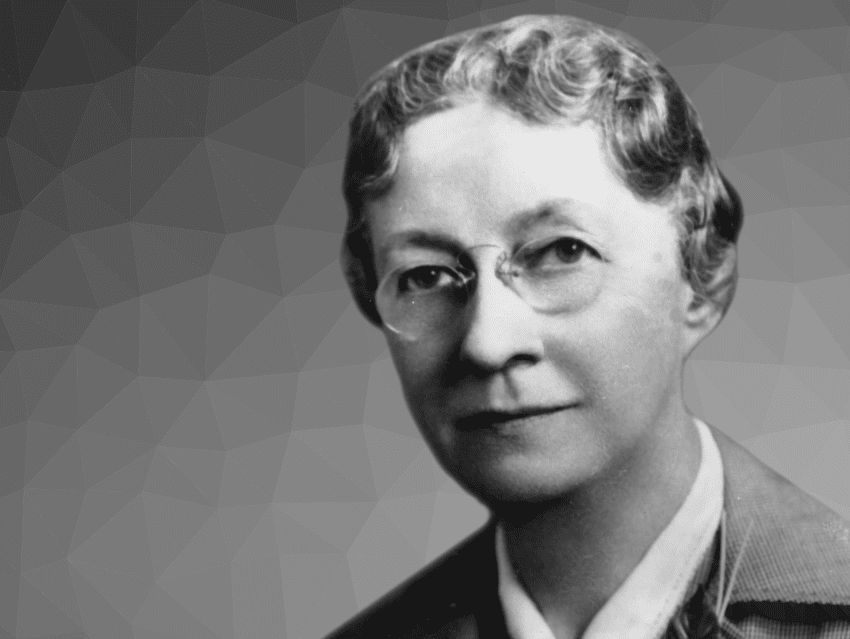
In 1905, Mary was invited to join the U.S. Department of Agriculture (USDA) as a bacteriological chemist in the Bureau of Chemistry. On the advice of its director, she applied for the position of chief of the newly created Food Research Laboratory. This lab was established to help enforce the Pure Food and Drug Act, passed in 1906.
Mary’s candidacy was considered for a long time, but she was finally approved in 1907. In this position, she developed standards for the safe handling of chickens raised for food products. Furthermore, she led the design of refrigerated railcars. During World War I, Mary was involved in the activities of the War Food Administration.
Mary Pennington’s most significant and important work was the design of these refrigerated freight cars, which were essential for the storage and transport of perishable foods. Along with her colleague Howard Castner Pierce, she received a U.S. patent for an all-metal rack for cooling and grading poultry, fish, and other animal products.
In 1919, the scientist moved to the private sector, joining American Balsa, a company that manufactured insulation for refrigeration units. Three years later, she founded her own consulting business, which she ran for the next three decades. Additionally, in 1923, Mary established the Bureau of Home Refrigeration, which aimed to educate consumers on proper food refrigeration at home. This activity was supported by the National Association of Ice Industries. Before refrigerators became widespread, Americans used iceboxes and purchased blocks of ice to preserve food for longer.
With the support of this association, pamphlets authored by Mary Pennington were also published, including The Care of the Child’s Food in the Home (1925) and Cold is the Absence of Heat (1927).
Achievements, Awards, and Final Years
In addition to her primary scientific work, Mary served on the editorial boards of many scientific and medical journals and was a member of the American Chemical Society, the American Association for the Advancement of Science, the Society of Biological Chemists, the Philadelphia Pathological Society, and other civic organizations.
The American Chemical Society awarded the scientist the Garvan-Olin Medal, which was the highest award for a woman in chemistry at the time. Furthermore, Mary was inducted into the National Women’s Hall of Fame. In 1959, she was included in the American Poultry Historical Society’s Hall of Fame, and in 2018, she was inducted into the National Inventors Hall of Fame.
The distinguished scientist passed away in New York City on December 27, 1952. She was buried in Philadelphia, where she had spent a significant part of her life, tirelessly pursuing success despite obstacles and gender prejudice. The practical results of Mary Pennington’s work became a part of daily life for citizens not only in the U.S. but far beyond its borders. Thus, her contribution to the advancement of science is undeniable.