

The charming Philadelphia native Frances Dade had a short but brilliant acting career. In the late 1920s, she set out for Hollywood to try her luck in the movies. Her performance in a touring production of Gentlemen Prefer Blondes caught the eye of the legendary producer Samuel Goldwyn. Always on the lookout for new stars, he signed Dade to a contract. Read more on philadelphiaski.
In total, the actress starred in 14 films over a span of four years. Her most significant role was that of Lucy Weston in the 1931 film Dracula. Here is the story of the actress from Philadelphia.
A Hollywood Start
Frances Dade was born in Philadelphia on Valentine’s Day, 1910. As a teenager, she began to dream of an acting career and decided to move to Hollywood to test her fortunes. It was a risky move, as Frances had no wealth or connections in the entertainment world. She had a striking appearance, but that might not have been enough. Nevertheless, the young woman decided to take a chance.
In Hollywood, Frances joined a local touring company and began performing in the theater. Soon, during a production of Gentlemen Prefer Blondes, the star producer Samuel Goldwyn spotted her and offered her a contract. For Frances, this was a true breakthrough—exactly what she had hoped for when she made her way to Hollywood.
Her film debut came shortly after. In 1928, she appeared in the film The Constant Nymph alongside Dorothy Boyd and Mabel Poulton. It was a small role, and Frances was not even credited, but it was just the beginning. Over the next two years, four more films featuring her were released, including the drama Grumpy. Dade didn’t stop there and soon landed the role that would bring her success and fame.
The Film Dracula and Frances Dade’s Moment in the Spotlight
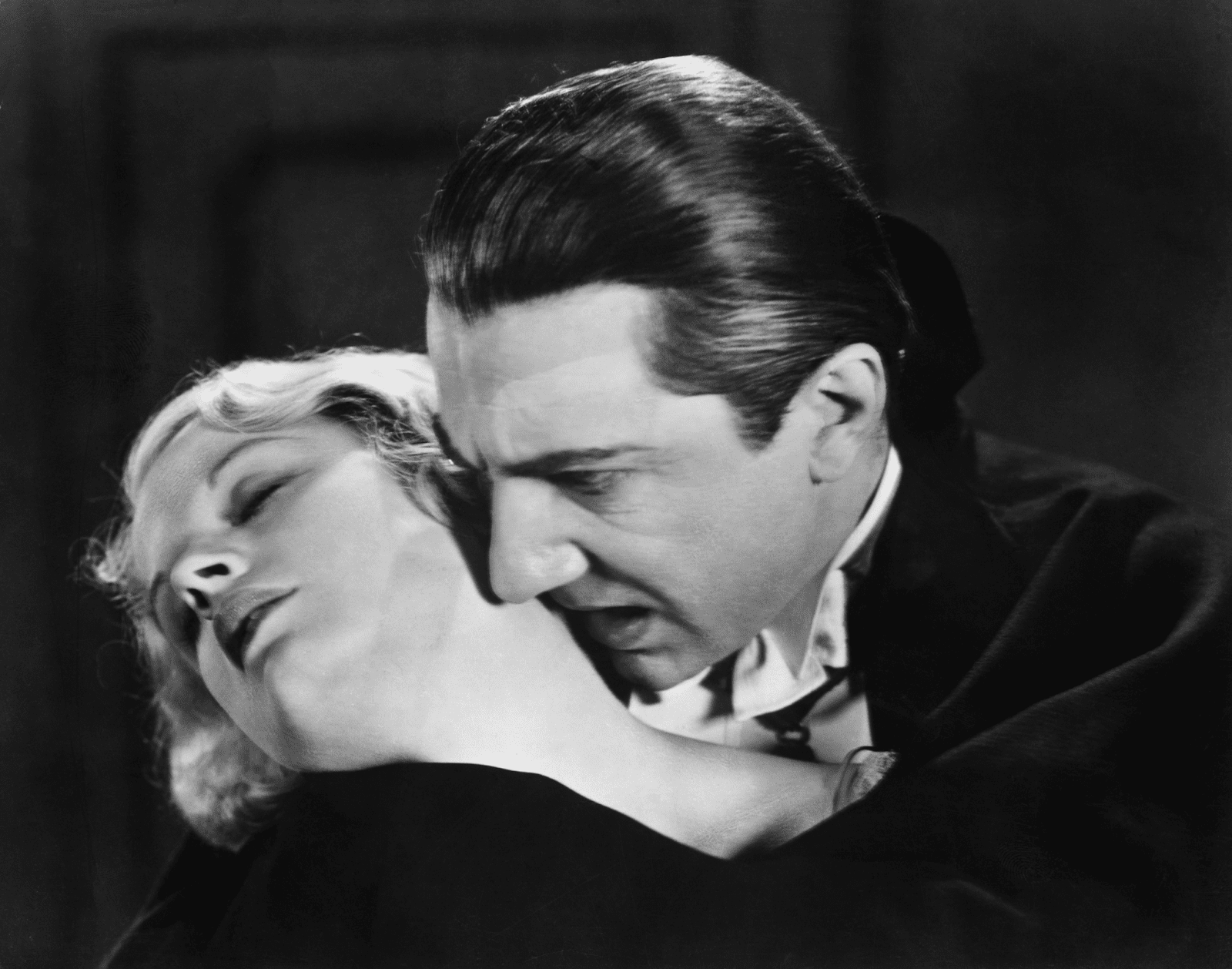
Frances Dade’s acting career was brief, but she achieved her goal when the film Dracula hit screens in 1931. In it, she played the role of Lucy Weston. Her role was small, but the image of Bela Lugosi’s Dracula leaning over her delicate neck became truly iconic.
The film Dracula was directed by Tod Browning and Karl Freund and produced by Tod Browning and Carl Laemmle Jr. The screenplay was written by Garrett Fort. The plot was based on the stage play of the same name by Hamilton Deane and John L. Balderston, who had previously adapted Bram Stoker’s novel.
This was the first sound adaptation of the world-famous novel. It’s worth noting that Universal had planned a big-budget adaptation that would strictly follow the book’s plot and details. However, when the stock market crashed in 1929 and the Great Depression began, the company decided not to risk creating an overly long and detailed film whose success they could not predict. That is why the stage version of the novel was adapted for the screen.
The Hungarian-born actor Bela Lugosi was cast in the role of Count Dracula. There were rumors that he didn’t know English, but this was untrue. Lugosi excelled in the role of the vampire who travels from Transylvania to Great Britain, preying on unsuspecting travelers to drink their blood. Other actors were considered for the role, but Lugosi had already played Dracula on Broadway, giving him a significant advantage over his colleagues.
The movie was filmed on the sets at Universal Studios Lot in California. The English-language version was shot during the day, while a Spanish-language version of Drácula was filmed on the same sets at night. It was produced by Carl Laemmle Jr., directed by George Melford, and starred Carlos Villarías. At the time, this was a common practice that allowed a film to be released in multiple languages simultaneously.
The film’s commercial and critical success was enormous:
- It led to the creation of several sequels.
- The image of Dracula became a part of popular culture, and Bela Lugosi became the archetypal vampire. Subsequent films began to portray vampires in his likeness.
- In 2000, the U.S. Library of Congress selected the film for the National Film Registry, deeming it “culturally, historically, or aesthetically significant.”
As for Frances Dade, she woke up a star. The photo of Dracula biting her neck became iconic. The actress was chosen as one of the thirteen WAMPAS Baby Stars of that year. She became popular and recognizable, truly savoring her long-awaited success.
The End of an Acting Career
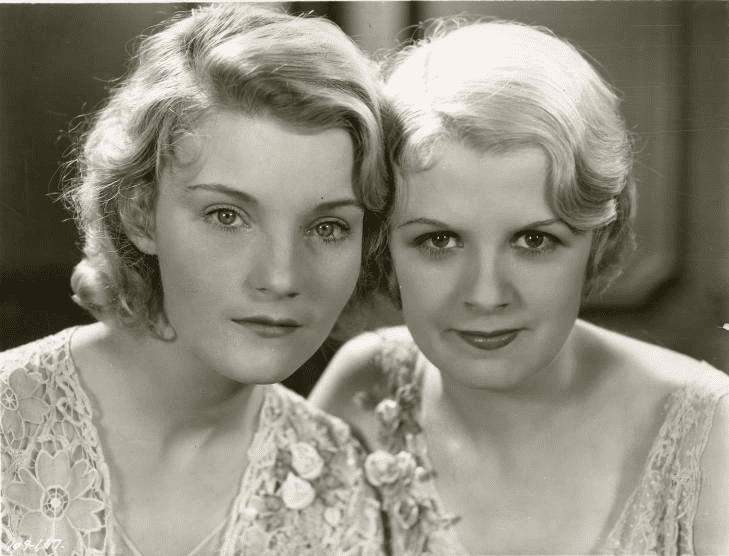
During that same year, 1931, Frances managed to appear in five more films. However, offers began to dwindle thereafter. Unfortunately, her success proved to be fleeting. In 1932, she starred in only one film, titled Big Town, and was also cast in the Broadway play Collision.
Soon after, Frances decided to end her acting career. She married businessman Brock Van Every and returned to her native Philadelphia. There, the Hollywood star trained as a nurse and worked in hospitals.
The star of Dracula passed away at the age of 57 on January 21, 1968. Nevertheless, her dream of cinematic stardom did come true, as the film remains an iconic classic, well-known even in the 21st century.