

Frank Zappa is not just a musician; he is an explosive mix of avant-garde, satire, and unbridled creative freedom. Although he was an icon of global counterculture, his relationship with conservative Philadelphia proved to be complex, tense, and ultimately, confrontational.
Zappa and his band brought the city not only innovative music but also challenges to public morality that regularly ended in scandal. The culmination of this tension was an incident that turned an ordinary rock concert into a criminal case, dragging the musician into long and exhausting legal battles. How did the distinguished artist clash with the city authorities, and why did Philadelphia become for Zappa not just a tour stop, but a battleground for the right to artistic self-expression? We explore this story of how rock and roll crossed the line and ended up in the courtroom at philadelphiaski.com.
Hostility in the 60s: Avant-Garde Versus Conservatism
To understand the sharpness of the conflict between Frank Zappa and Philadelphia, it is necessary to examine the city’s historical background in the 1960s.
Philadelphia, as the first capital and the cradle of the republic’s founding, always prided itself on its deep academic traditions and a legacy of Quaker restraint. It was a cultural center dominated by old, influential families and a powerful religious conservatism. This inertia created an atmosphere where rapid social changes were viewed with suspicion, and any form of public audacity or shock value was regarded as a breach of public order. The city dictated its rules for decades.
However, in the late 1960s, this conservative wall began to crumble under the pressure of national events. In universities and on the streets of Philadelphia, as in other major cities, the anti-war movement against Vietnam intensified. This movement became a catalyst: it mobilized the youth, who actively embraced anti-authoritarian ideas and protest sentiments.
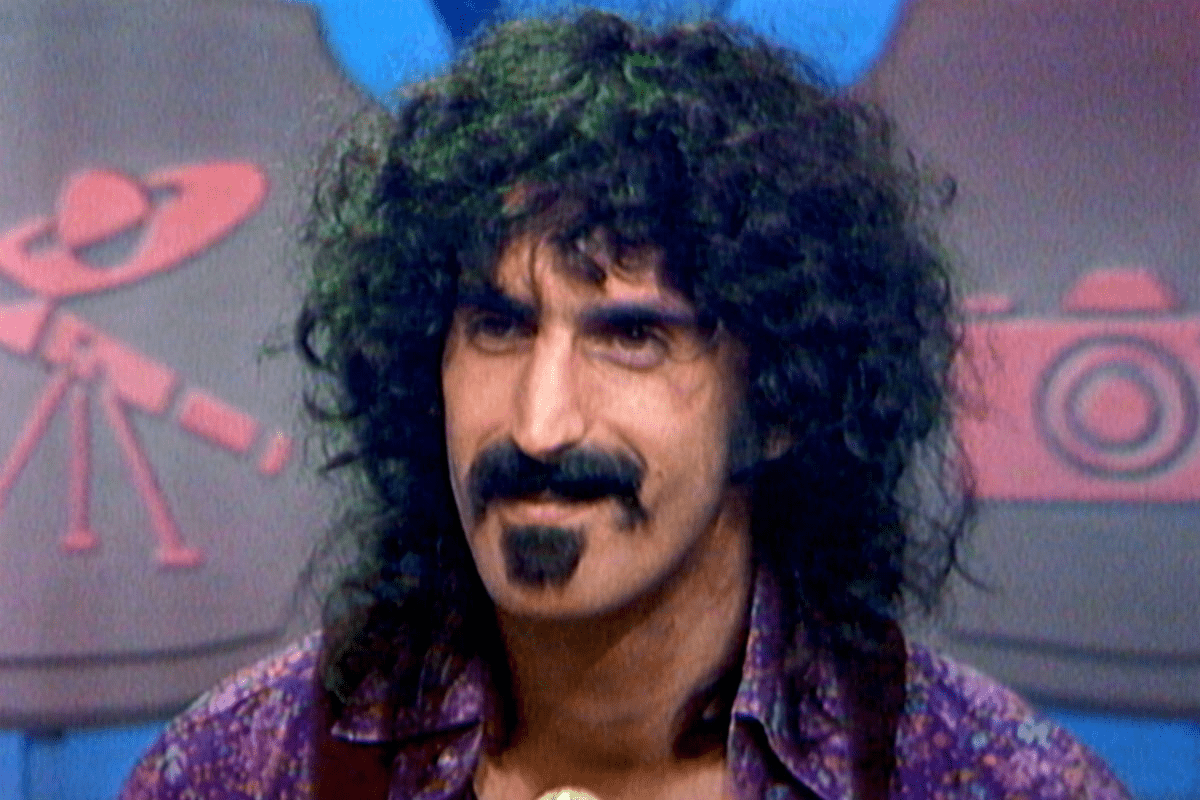
Against the Current
It was in this context that the thirst for experimental music and art arose. Zappa’s music, with its absurdity, improvisation, and sharp social criticism, became the ideal soundtrack for this generation. For the youth, this music was the voice of freedom. Meanwhile, for the older generation, it represented chaos and decadence that threatened the traditional order of Philadelphia. This tense confrontation between historical restraint and the desire for radical change made the clash between the artist and the city inevitable.
Young people eagerly embraced the anti-authoritarian ideas and experimental music propagated by Zappa and his band, The Mothers of Invention. The musician, known for his cutting satirical lyrics and unpredictable stage performances, quickly became a challenge to the local establishment. His concerts were not just musical events. They were theatrical performances that consciously provoked and criticized American society, its consumer culture, and political hypocrisy. Such a radical stance made Frank a target for traditional circles and the object of close attention from law enforcement agencies.
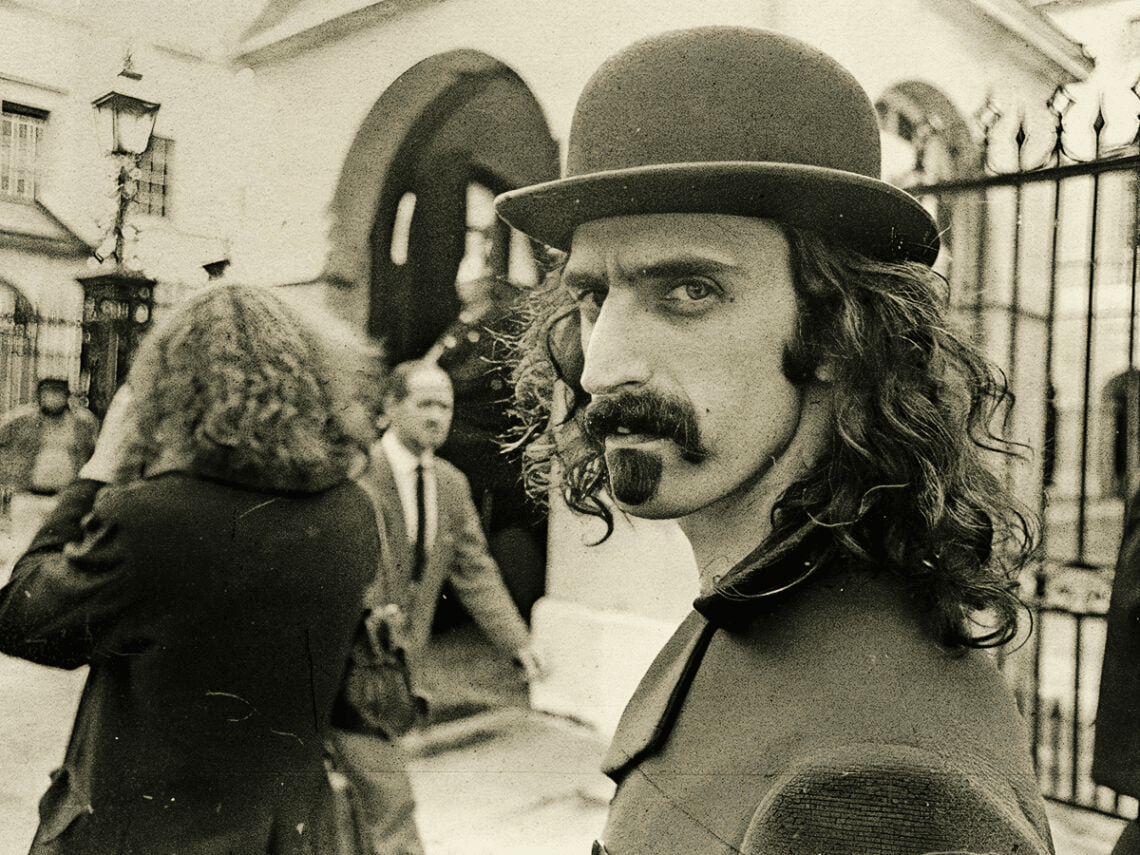
A Harbinger of Trouble
The first significant and highly publicized clash between the musician and Philadelphia authorities occurred in 1968 at the prestigious Academy of Music Opera House. During the performance, Zappa and his ensemble staged a chaotic performance that included elements of improvisation, absurdist dialogues, and sharp social criticism. This avant-garde approach and anti-theatrical behavior caused shock and outrage among a segment of the audience and, more importantly, local law enforcement. Authorities accused the performers of indecent conduct and disturbing the public peace. Although this incident did not result in a lengthy trial, it created a negative precedent, establishing the band’s reputation as unwanted guests and laying the groundwork for subsequent administrative hurdles in organizing his tours.
The Invisible Press
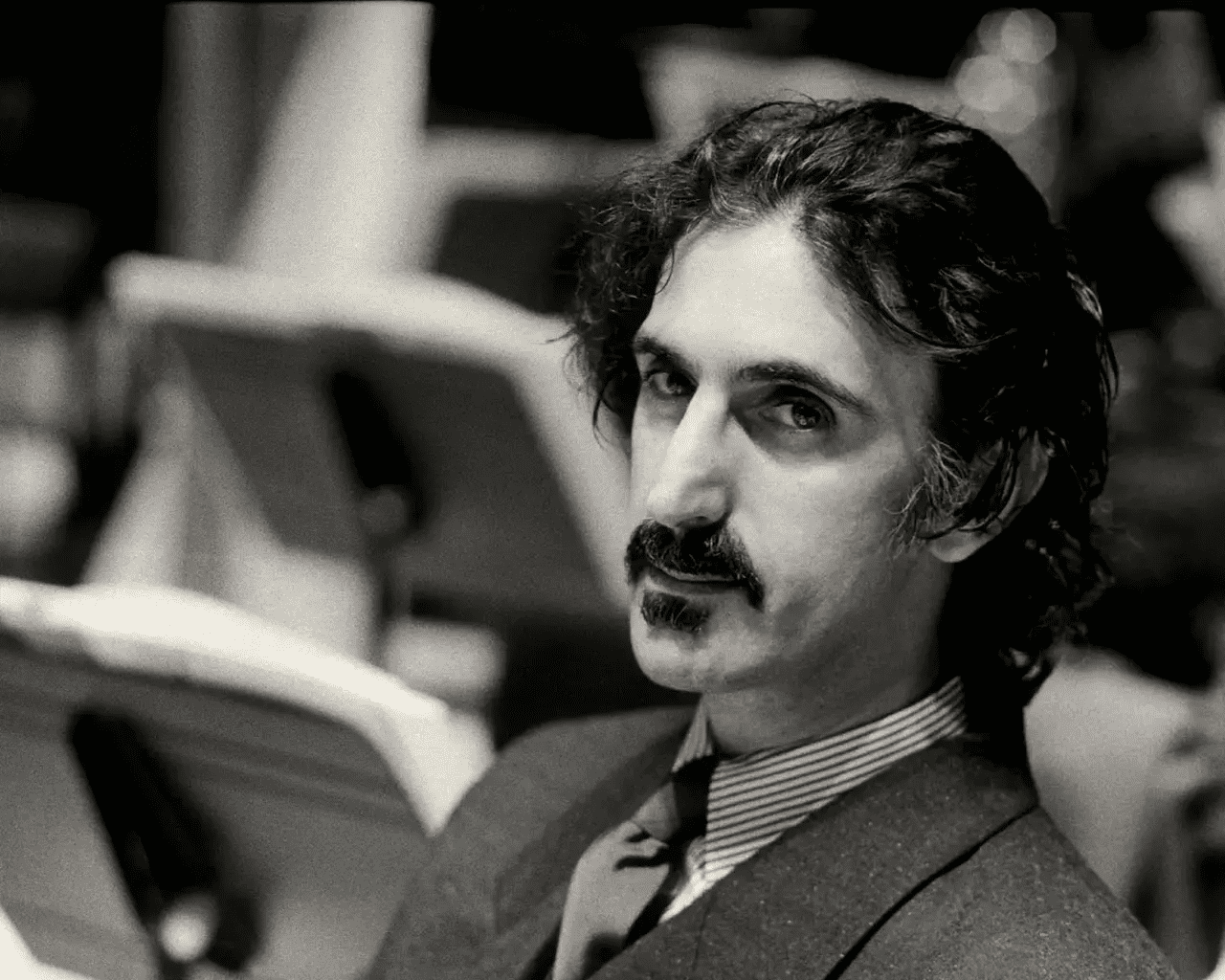
In the 1970s, Zappa’s persona led to direct legal obstacles. Local promoters often faced difficulties when trying to organize performances by his group. Officials and police regularly applied administrative pressure, citing a potential threat to public order and the obscenity of his material. This forced organizers to choose less prestigious venues or even cancel planned concerts altogether. This hostility was typical of East Coast cities, where controversial rock and roll was viewed as a threat to morality. This pressure became part of Zappa’s creative process; he typically incorporated these incidents into his improvisations and songs, turning legal troubles into satirical material.
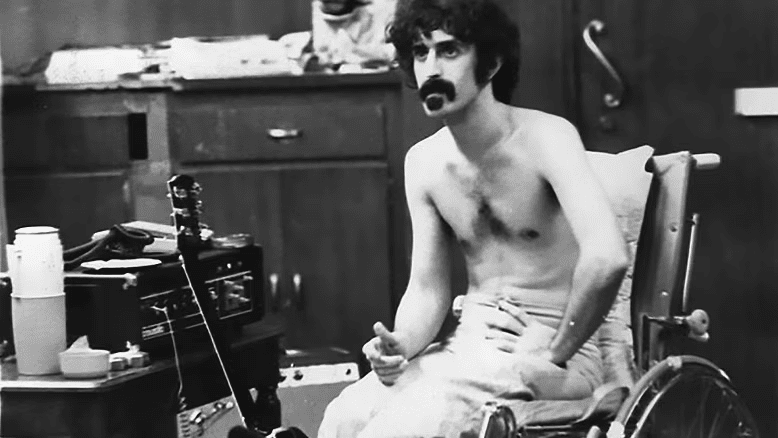
Assault at the Rainbow Theatre
Even after the main wave of conflict in Philadelphia subsided, the impact of stress and hostility affected his life. In December 1971, during a concert in London, an enraged fan pushed Zappa off the stage into the orchestra pit. The injury sustained from the fall was very serious, involving multiple fractures and vocal cord damage. Although the physical attack did not occur in the City of Brotherly Love, the musician often mentioned in his interviews that the constant tension caused by judicial and administrative harassment in cities like Philadelphia contributed to the atmosphere of aggression. This fueled his enemies. This physical trauma permanently changed his creative path and composition style.
Musical Freedom and Iconic Status
Despite bans and government pressure, Zappa achieved icon status within Philadelphia’s local countercultural community. His conflicts only amplified the musician’s appeal to young people who valued authenticity and independence. Concerts that did take place turned into unofficial rallies against censorship and philistinism. The musician used his performances to mock local politicians, turning the stage into a platform for satire. This direct and uncompromising connection with the audience created strong loyalty among Philadelphia’s intellectuals and rebels. His legacy continues to inspire local avant-garde bands toward technical complexity and social incisiveness.