

The Curtis Institute of Music, located in Philadelphia, is one of the most elite and prestigious educational institutions in the entire world of classical music. It is not an ordinary university but a true academic hub that operates on a master class principle, aiming to train only the most outstanding performers and composers. It has gained global fame due to its uncompromising quality of education, incredibly rigorous selection process, and a unique financial philosophy that ensures complete freedom for talent development. In fact, anyone who receives an invitation to study at Curtis is already considered a future star of the world stage, continuing the legacy established by its founders. Read the full details on philadelphiaski.com.
Mary Louise Curtis Bok’s Scholarship Dream
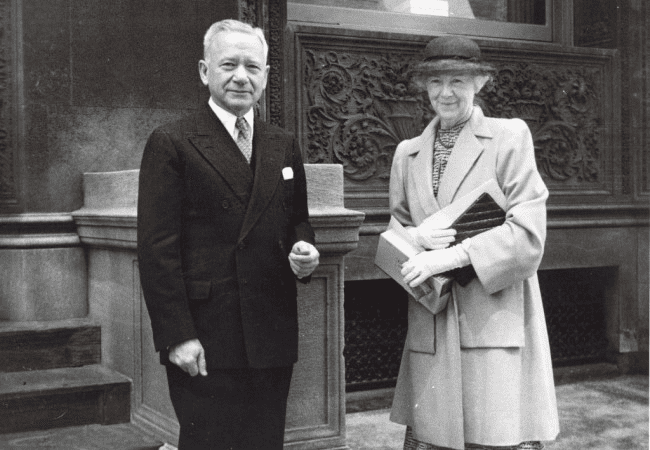
The institution was founded in 1924. This was made possible by the exceptional generosity and deeply strategic approach to developing musical arts. The initiator was Mary Louise Curtis Bok, daughter of media magnate Cyrus Curtis.
Mary was deeply convinced that financial obstacles should never impede genius. That is why she implemented a unique financial policy that remains the institution’s trademark today. All students receive a full-tuition scholarship that completely covers the cost of their education.
This fundamental principle allows the institute to admit applicants based exclusively on their musical gift and potential, regardless of their social or economic background.
This funding model removes the pressure of commercialization from the educational process. Students and faculty can focus solely on achieving perfection in performance and composition. This creates a unique educational environment where a high academic ethic prevails, and healthy artistic competition is directed exclusively at the quality of musicianship, not financial capability.
175 Seats for Global Talent
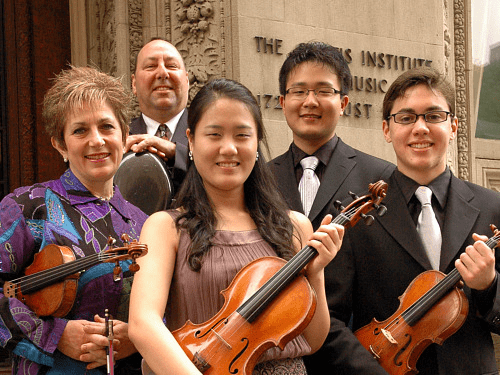
The Curtis Institute is intentionally small and extraordinarily selective. Its student body size never exceeds approximately 175 individuals, which is critical to its mission. This limited number corresponds to the size of a large symphony orchestra and is part of a strategy aimed at ensuring maximum individual attention for every student. The competition for admission is astronomically high. Only a meager percentage of applicants are accepted each year, often less than four to five percent. Each program, such as Oboe or Tuba, has a clearly defined number of seats, maintaining professional balance. The student-to-faculty ratio is also exceptionally low, guaranteeing close mentorship from the world’s most distinguished practicing musicians. Many educators are principal players in the Philadelphia Orchestra, creating a direct link between education and the professional stage.
Training in Professional Mode
The institution’s curriculum is resolutely focused on practice and immediate performance activity. Instead of a broad academic course, the institute emphasizes intensive instrumental work, chamber music, and orchestral repertoire. Students regularly rehearse and perform in public concerts, opera productions, and master classes, mimicking the schedule of an active professional.
The main areas of training where students achieve the highest mastery are:
- Individual performance on all academic instruments.
- Opera Arts. The Curtis Opera Theatre is a recognized center.
- Composition and Conducting. For instance, the class of the legendary Leonard Bernstein.
This concentrated preparation ensures that graduates are ready not only to join first-tier orchestras but also for solo careers on the world’s most prestigious concert venues.
Global Titans
The legacy of the Curtis Institute is inextricably linked to the names of its graduates who became defining figures in global classical music. These eminent individuals did not just succeed; they shaped new musical trends and set unattainable standards of performance.
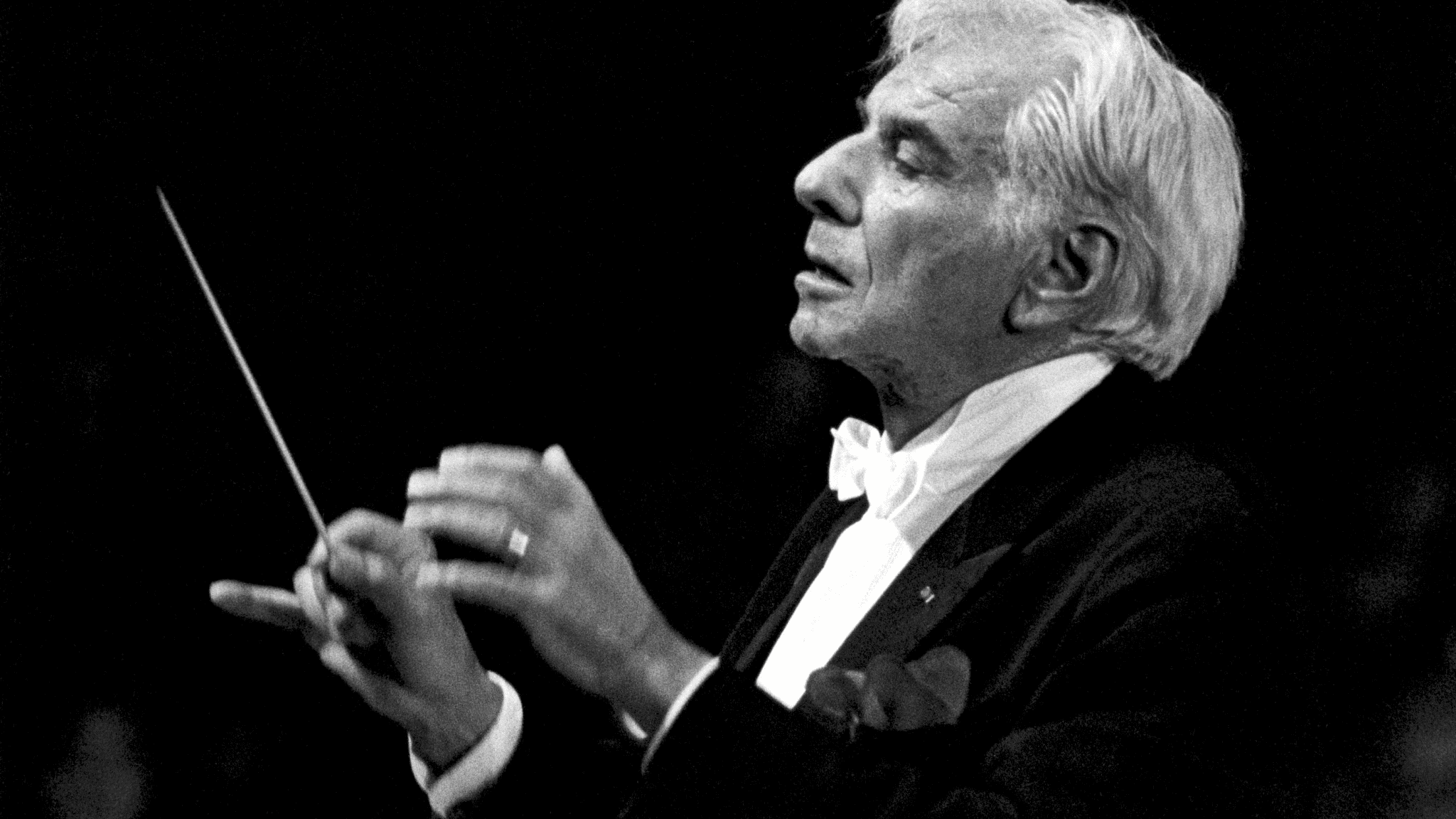
- Leonard Bernstein: The legendary Leonard Bernstein, a Curtis alumnus, became one of the most influential conductors and composers of the 20th century. His work spanned an exceptional breadth: from complex symphonic works and operas to revolutionary Broadway musicals (West Side Story). He proved that the institute’s academic training can be the foundation for universal musical genius.
- Samuel Barber: Another prominent graduate is Samuel Barber, whose Adagio for Strings is not just a classic, but arguably one of the most recognizable and emotionally moving classical works in global culture. His music became the gold standard for American lyrical composition.
- Lang Lang: The contemporary influence of the Institute is demonstrated by the piano virtuoso Lang Lang. This modern performer brought Curtis’s academic mastery into popular culture, making classical music accessible to millions of young listeners worldwide.
These stars, among many others, vividly demonstrate the depth and breadth of the institution’s influence, covering all aspects of professional musical activity—from conducting and composition to global performance.
Urban Integration
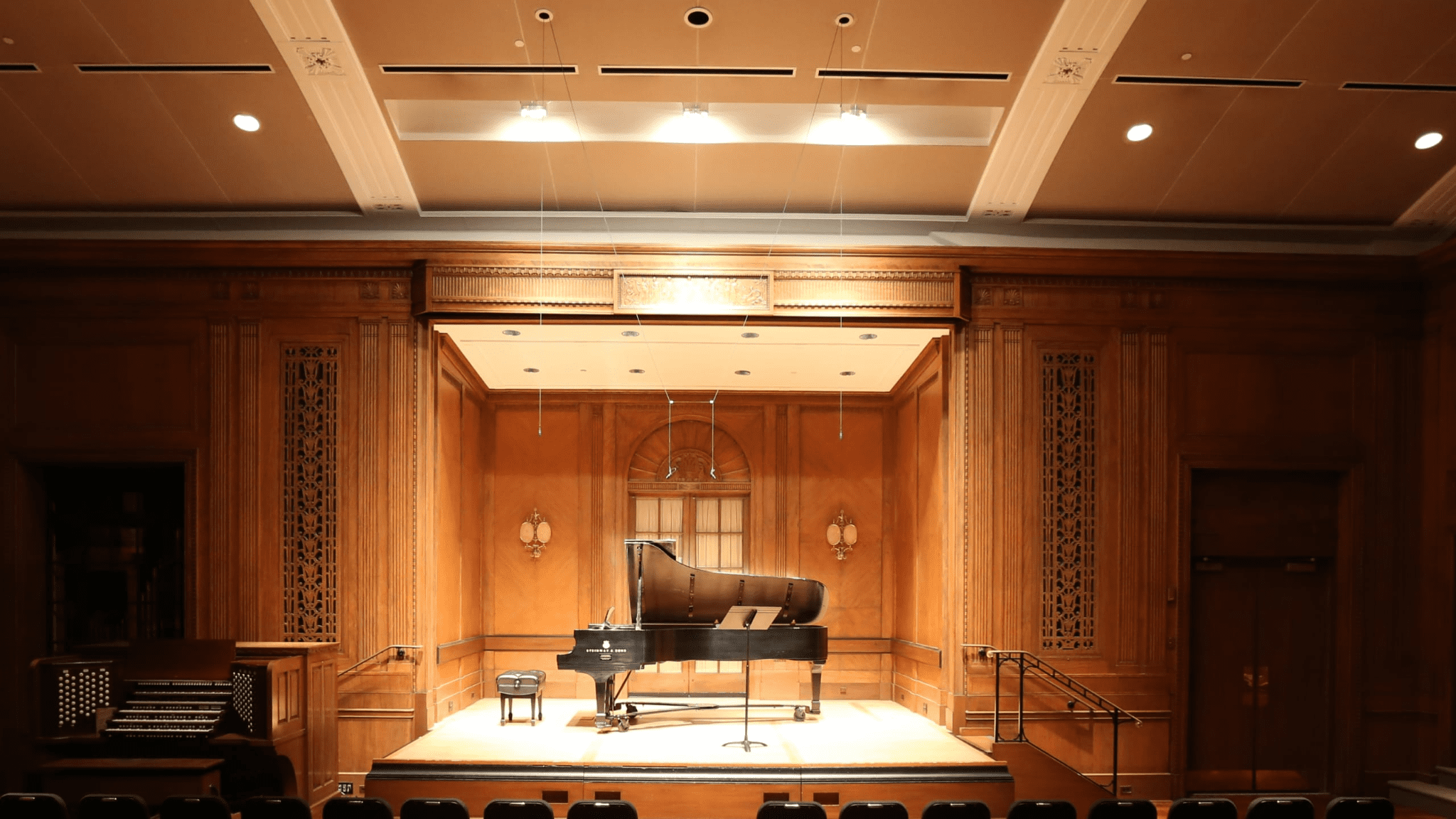
The location of the school in the very heart of Philadelphia, near Rittenhouse Square, is not accidental. This factor ensures a close symbiosis with the city’s principal musical ensemble—the Philadelphia Orchestra. Many Curtis faculty members are or have been members of this orchestra, providing practical orientation to the curriculum and direct mentorship. Students regularly attend rehearsals and sometimes perform alongside professionals, which is an invaluable experience before entering the big stage. Moreover, the institute’s concert activity, including opera productions and symphonic performances, is an important cultural contribution to the city’s life, making Philadelphia one of the key centers of academic music.
Key Principles of the Curtis Institute’s Success
| Characteristic | Parameter / Detail | Significance for Music Education |
| Mission | Training world-class professional performers and composers. | Focus on practice, not academic theory. |
| Financial Model | Full scholarship for every student. | Removal of financial barriers; selection based purely on talent. |
| Scale | About 175 students (the size of a large orchestra). | Guarantees individual instruction and high intensity of classes. |
| Mentorship | Faculty are leading performers (often from the Philadelphia Orchestra). | Direct link between education and the global professional stage. |
| Legacy | Graduates include Leonard Bernstein, Samuel Barber, Lang Lang. | Confirmation of global influence and unrivaled quality. |
The Laboratory of Excellence
The Curtis Institute is more than just a conservatory. It is a unique forge of musical perfection, built on an unwavering belief in the power of talent. The full scholarship principle has transformed it into a true aristocratic enclave of art, where the only currency is genius.
Thanks to this approach, Philadelphia continues to be the place where musical titans and modern virtuosos originate, dictating the rhythms of the 20th century. The school proves that when financial barriers are removed, pure talent flourishes most brightly. This small yet influential institution remains a constant benchmark in the world of classical music, consistently supplying the world with those who shape the future of the global stage.