

Julian Abele, a prominent Black American architect, served as the chief designer in the offices of Horace Trumbauer. Over his career, he contributed to the design of more than 400 buildings, including Philadelphia’s Central Library, the Widener Memorial Library at Harvard University, the Philadelphia Museum of Art, and Eisenlohr Hall, the residence of the President of the University of Pennsylvania.
Abele was a master of various media, including watercolor, lithography, etching, and pencil, as well as materials like wood, iron, gold, and silver. He personally designed and crafted furniture and possessed a deep knowledge of historical styles, which he boldly used as a foundation for his own designs. Learn more about his life, achievements, and legacy at philadelphiaski.com.
Julian Abele’s Family
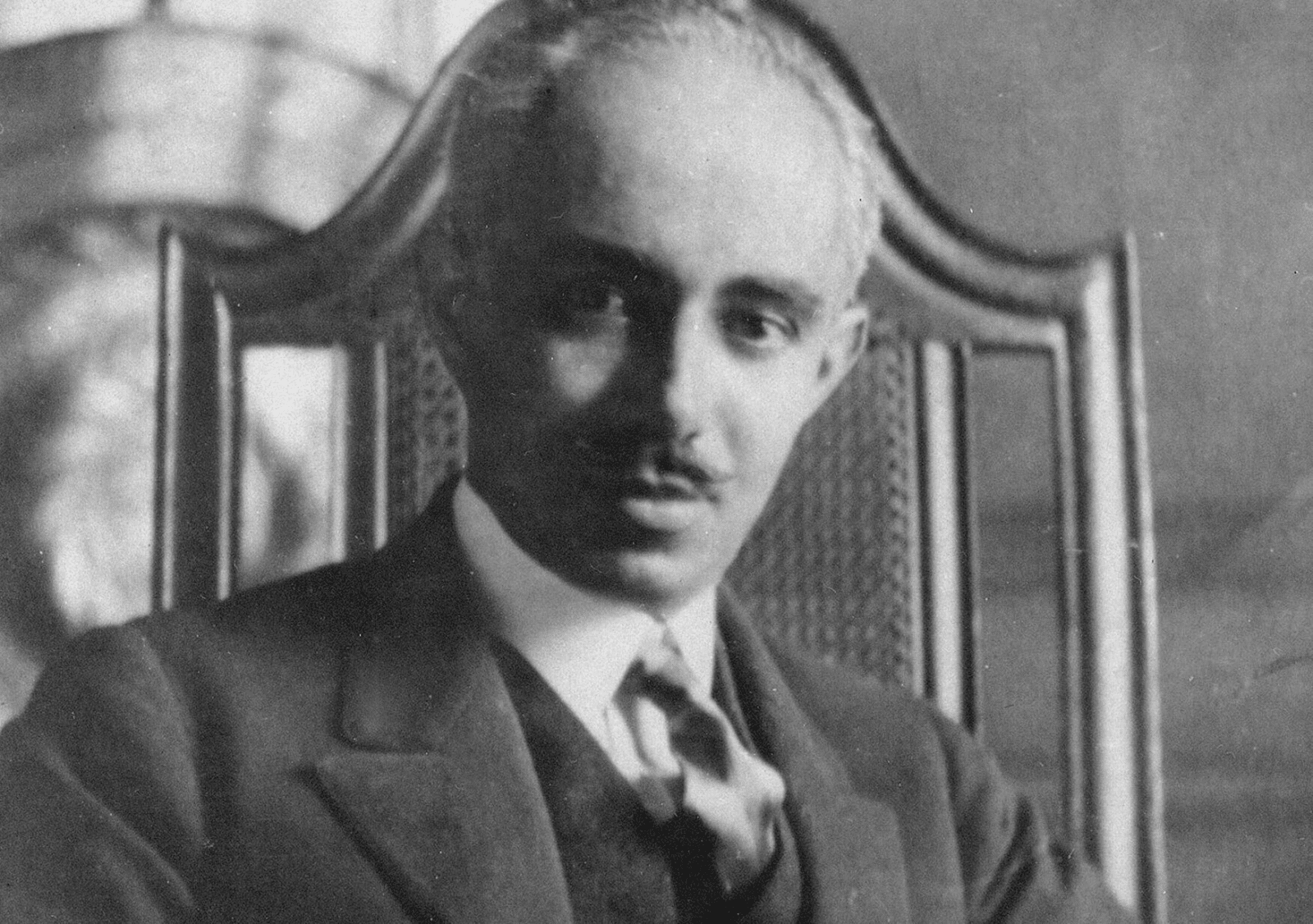
Julian Francis Abele was born on April 30, 1881, in Philadelphia into a distinguished family. His maternal grandfather, Robert Jones, founded the Lombard Street Central Presbyterian Church in the late 18th century. Another relative, Absalom Jones, established the African Episcopal Church of St. Thomas in 1794, which was the first church for African Americans in Philadelphia.
Abele’s son, Julian Francis Abele Jr., became an architectural engineer, and his nephew, Julian Abele Cook, coordinated construction at Howard University.
Education and Early Career
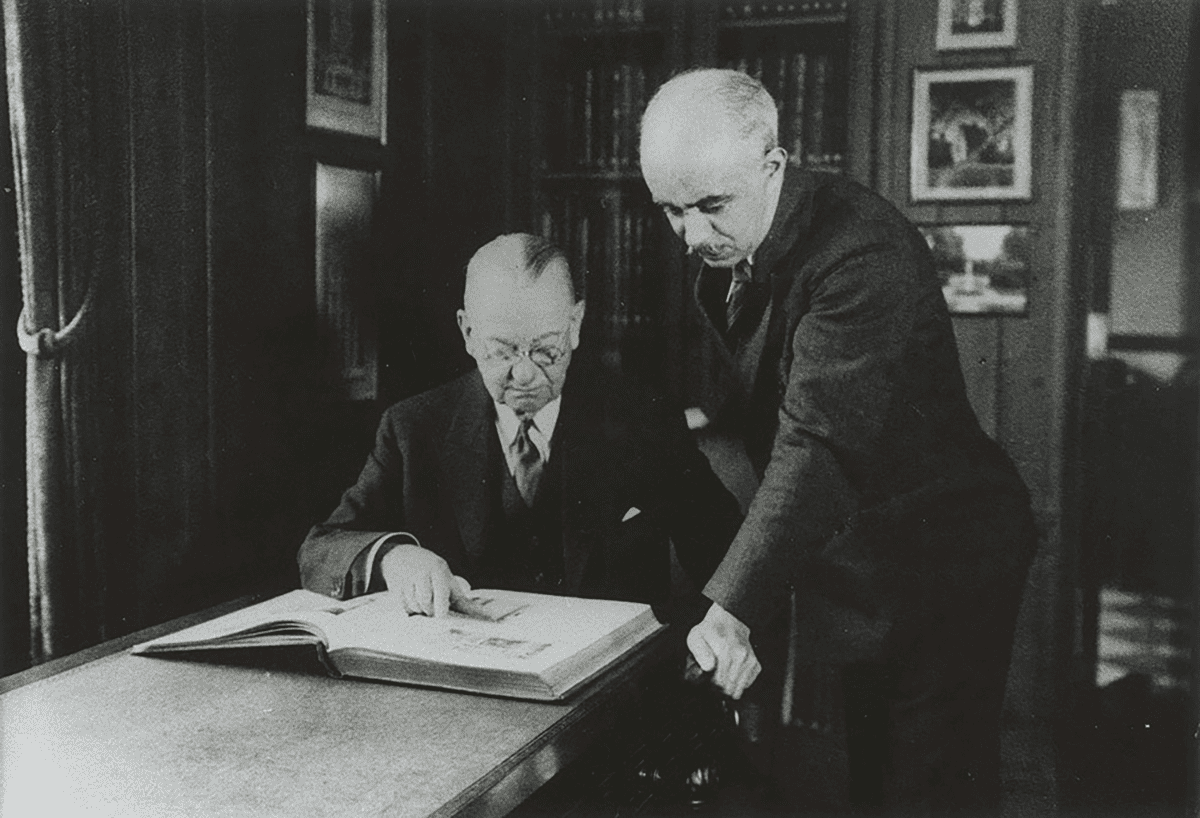
The first step in Julian Abele’s higher education was the Institute for Colored Youth (later Cheyney University). At the time, the institution was run by Quakers and was quite progressive. Julian excelled in mathematics and was a speaker at his commencement ceremony. In 1898, he completed an architectural drawing course at the Pennsylvania Museum and School of Industrial Art, after which he became the first African American admitted to the architecture program at the University of Pennsylvania.
It is important to note that discrimination was rampant at the time. African Americans were denied housing in university dorms and barred from eating in the student cafeteria. When a project required students to work in pairs, Julian had only one willing partner: Louis Magaziner, a Jewish student who also faced discrimination. Not only did the two successfully complete the project, but they also formed a lifelong friendship.
In 1901, Julian Abele won a student competition to design a Beaux-Arts style gate. The talented student designed a concave bench with piers and steps running through its center. This project later became his first commission—the gate was built on the campus of Haverford College. During his student years, Julian Abele also received awards for his designs of a post office and a botany museum. He was elected president of the university’s Architectural Society and was widely regarded as exceptionally skilled.
In 1902, Abele became the first African American to graduate from the University of Pennsylvania’s architecture department. Afterward, he traveled to Spokane, Washington, where he designed a house for his sister before returning east. There, he began working part-time for a local architect’s firm while also attending evening classes at the Pennsylvania Academy of the Fine Arts.
Philadelphia architect Horace Trumbauer, for whom Abele would later work, provided financial support for the young architect to travel to Europe. Before 1906, Julian visited France, Italy, Spain, England, Germany, and Switzerland. These travels had a profound impact on him, allowing him to study many masterpieces of European architecture firsthand. Some sources suggest Julian also studied in Paris, but there is no definitive confirmation of this.
Development of an Architect’s Career
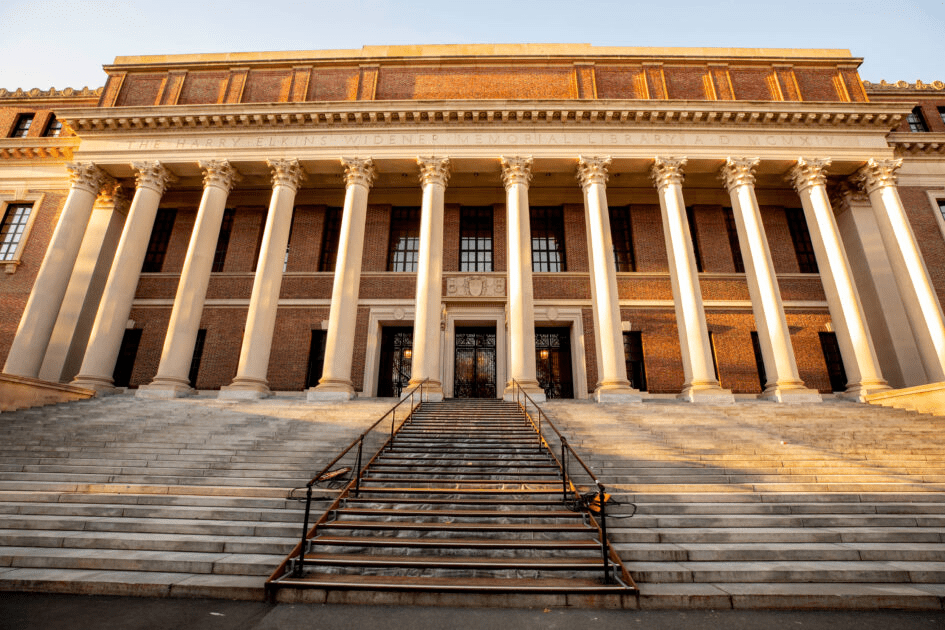
In 1906, Julian Abele began working at Trumbauer’s firm as an assistant to chief designer Frank Seeburger. When Seeburger left the firm in 1909, Abele assumed the position. His prominent role in the company and the high value his employer placed on his talent were no secret. Julian received one of the highest salaries and took great pleasure in his work.
One of his most significant projects was the Philadelphia Museum of Art. While another Trumbauer architect, Howell Lewis Shay, handled the building’s general plan and massing, it was Julian Abele who executed the final perspective drawings and designed the exterior terrace and front steps. He was also the architect for Eisenlohr Hall, which serves as the official residence of the president of the University of Pennsylvania. Interestingly, during that period, Abele did not publicly claim credit for his work. Therefore, the full extent of the buildings he designed is not precisely known.
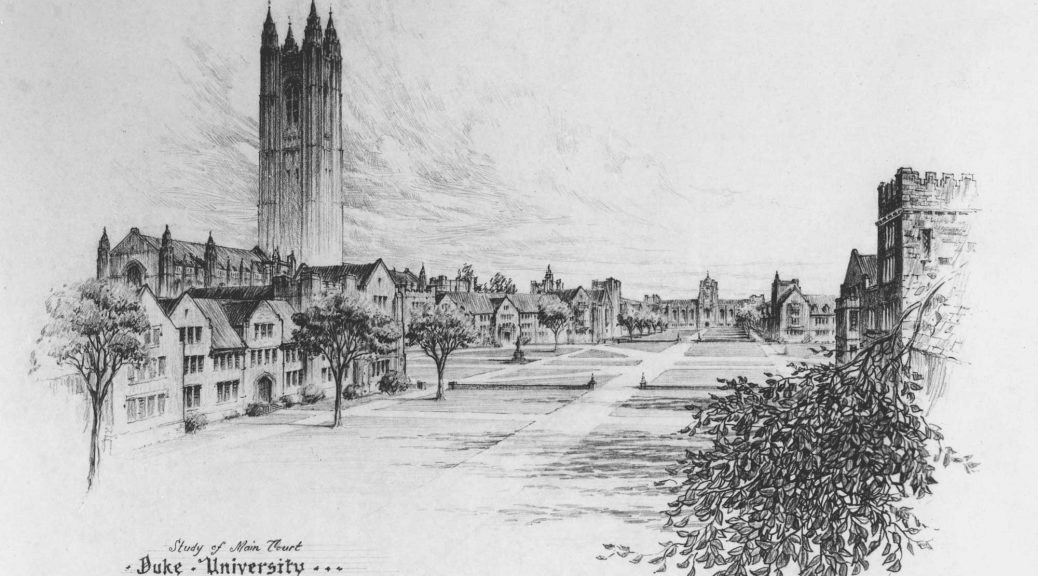
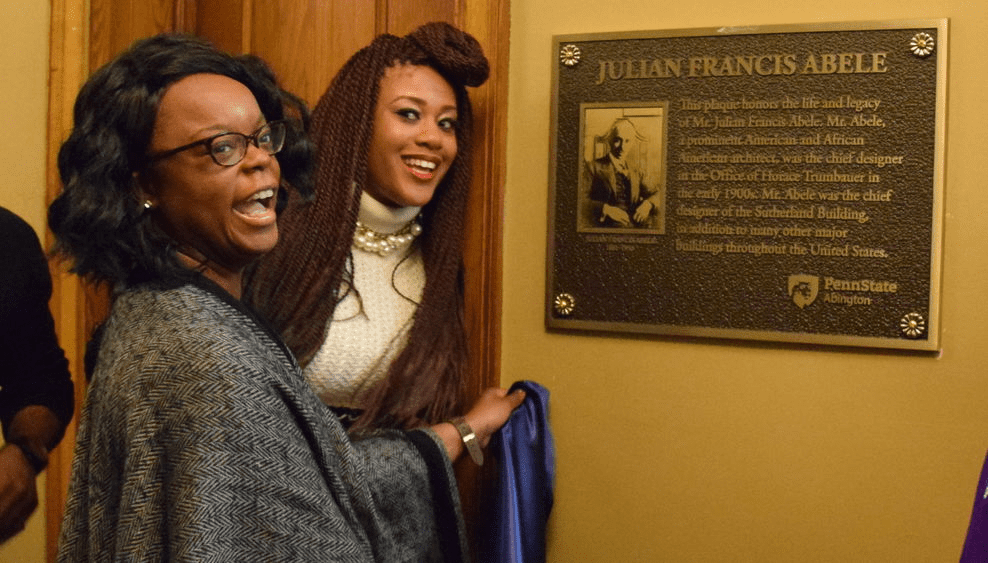
After Trumbauer’s death in 1938, the firm continued its operations under the leadership of Julian Abele and William O. Frank. During the Great Depression and World War II, they received few new commissions but were able to complete the indoor stadium at Duke University in 1940, expand its library, and design a new administrative building. In 1988, Julian Abele’s portrait was displayed at Duke University, the main quad of the campus was named in his honor, and a memorial plaque was prominently placed. Unfortunately, the architect did not receive such recognition during his lifetime.
Life for an African American in the U.S. at that time was still not easy. Despite this, Julian Abele was admitted to the American Institute of Architects in 1942. He was spoken and written about as one of the most experienced African American architects of his era, but he was still not compared on equal terms with his white colleagues.
Personal Life and Legacy
In 1925, at the age of 44, Julian Abele married French pianist Marguerite Bulle, who was 20 years his junior. The couple had three children: Julian Abele Jr., Marguerite Marie Abele, and Nadia Boulanger Abele.
In 1936, his wife left him for opera singer Joseph-Alexandre Kowalewski, with whom she had three more children. Julian and Marguerite never officially divorced, which later led to inheritance claims on the architect’s estate by the children from this second relationship.
Julian Abele died of a heart attack on April 23, 1950, in Philadelphia. He was buried at Eden Cemetery in Collingdale.
The Duke University administration building, which he had designed, was completed after his death. Subsequently, the architect was largely forgotten for half a century, with interest in his life and work only reviving in the early 21st century. This resurgence may have been sparked by Duke University’s belated recognition in the late 20th century, or perhaps the time had simply come to acknowledge the contributions of this famous Philadelphian. Scholars began to compile materials for his biography, and in 2012, construction began on the Julian Abele Park in Philadelphia at the corner of 22nd and Carpenter Streets.
Regardless, Julian Abele’s realized architectural projects continue to adorn Philadelphia to this day. Furthermore, his path to success served as an inspiring example for many African Americans of his time, aiding them in their fight for equal rights.